Post 76: 25 October 2016, Cleveland Circle 3.
Arriving at Cold Kirby we soon came across the first frost I had seen this Autumn. There was certainly a chill in the air but we were to be surprised later on as to how the temperature increased as the day went on. Route finding for the first section to Sutton Bank was easy as it was the reverse of my North of England Way.

There was suddenly a thundering roar and I nearly jumped out of my skin. Two horses came racing past. It was the first time that I had seen horses on the Hamilton House small training circuit.
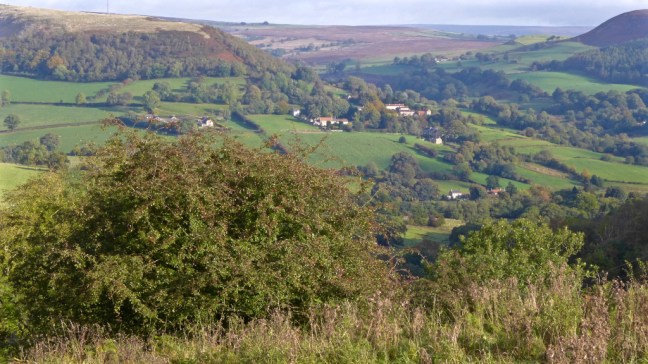
We carried on along Castern Dike, believed to be late Bronze Age or Iron Age, to reach the escarpment of Sutton Bank. It was a lovely view toward the Yorkshire Dales in the distance with low mist hiding the Dales. Even Thirsk below us was hidden.

The light was still shining on some brave aircrewmen who sacrificed their lives for our freedom.
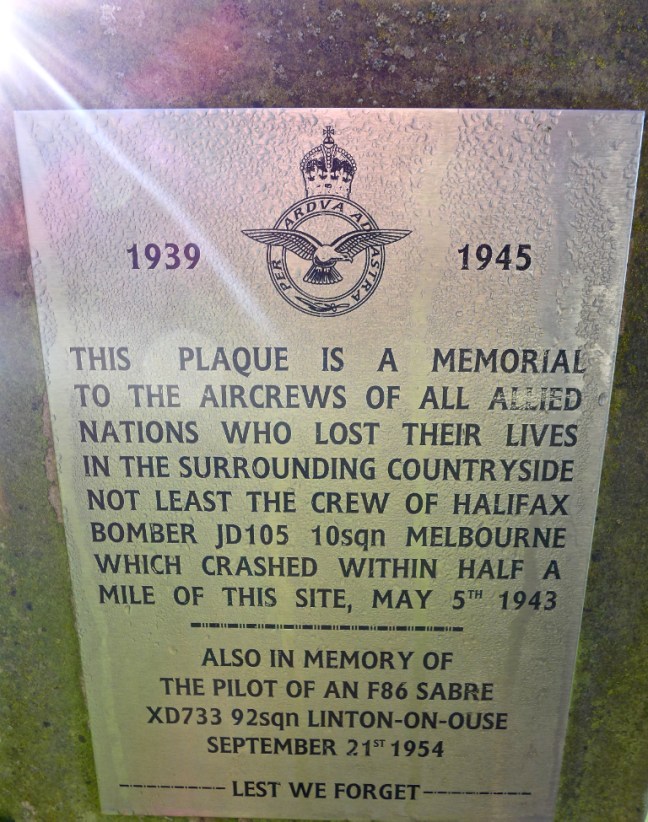
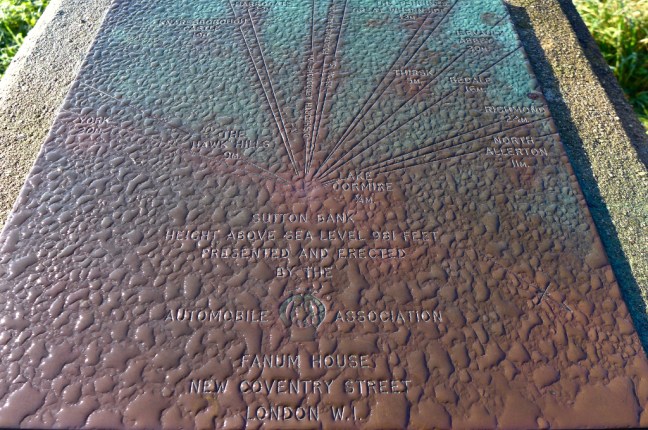
Overnight rain on the viewpoint marker gave an interesting effect.
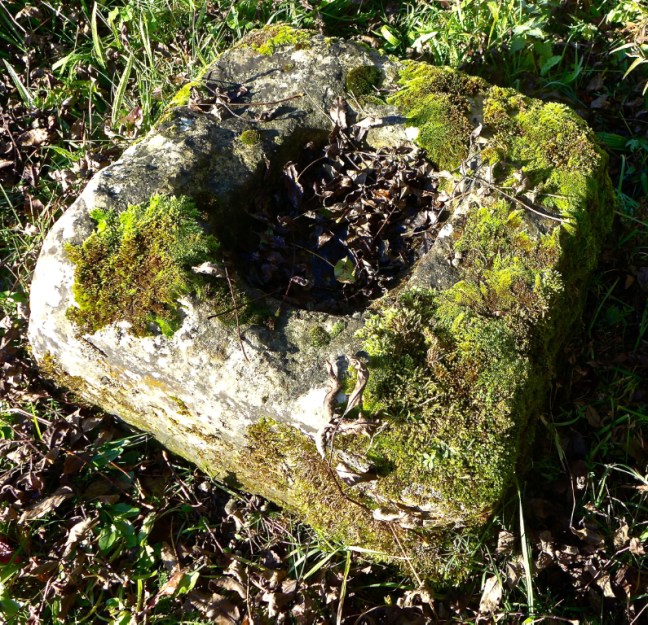
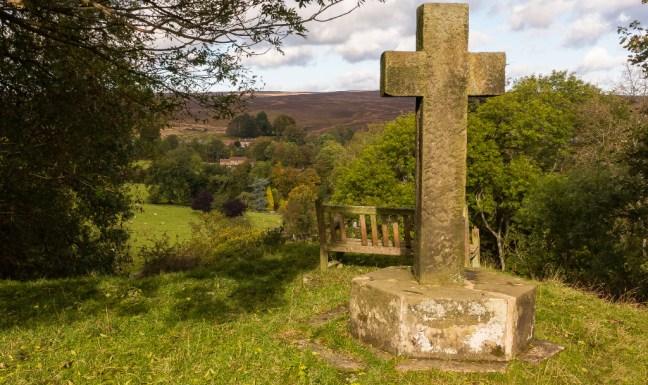
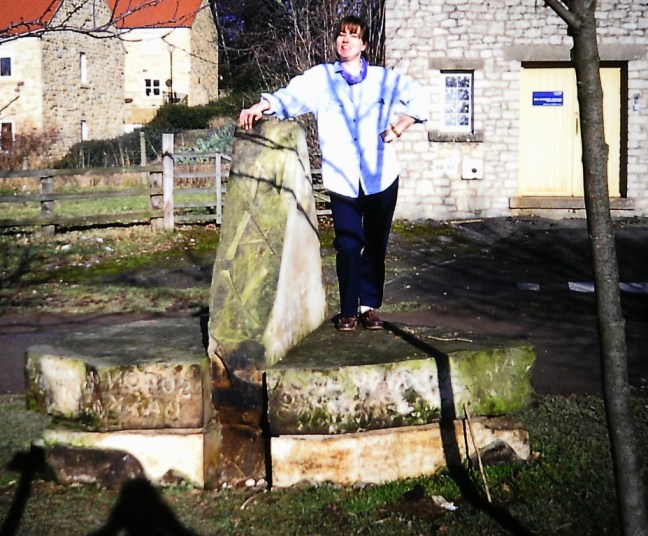
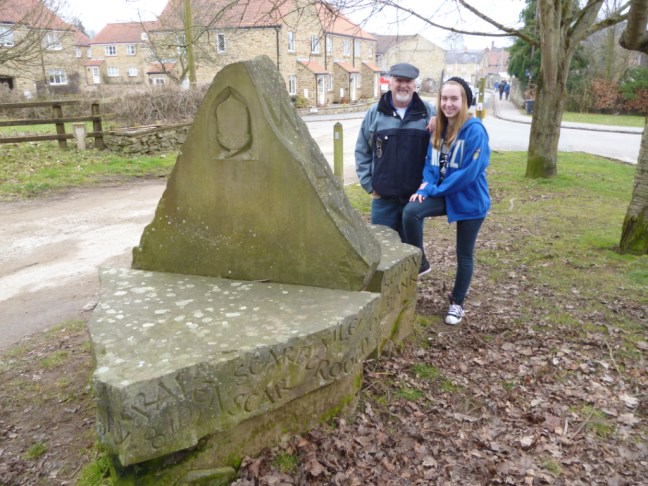
Leaving Sutton Bank Information Centre, we came across the remains of a cross not named or marked on my OS map. We then passed what used to be the Hamilton Inn on an old 17/18th Century Drovers’ Road from Scotland to England. Sadly the pub closed in recent years.
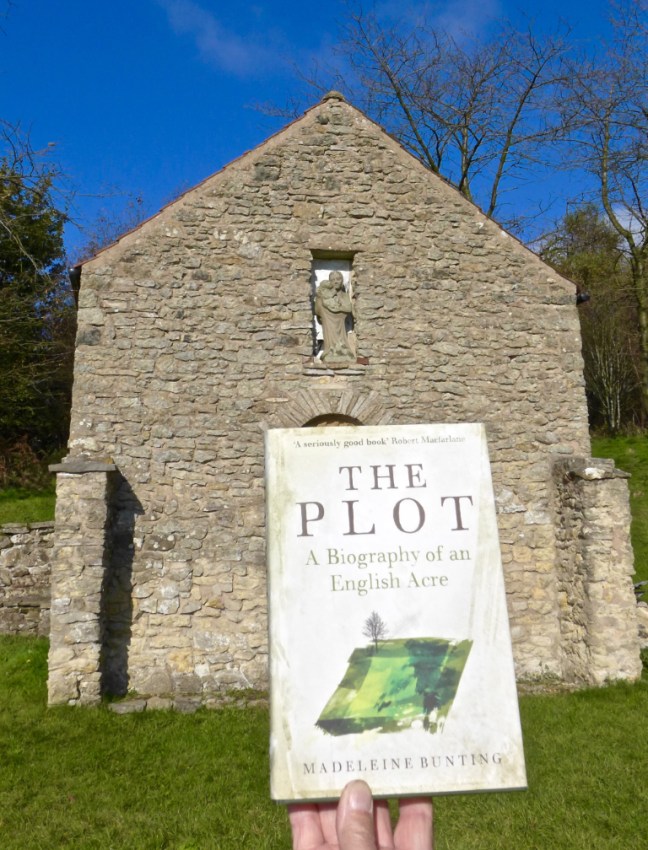
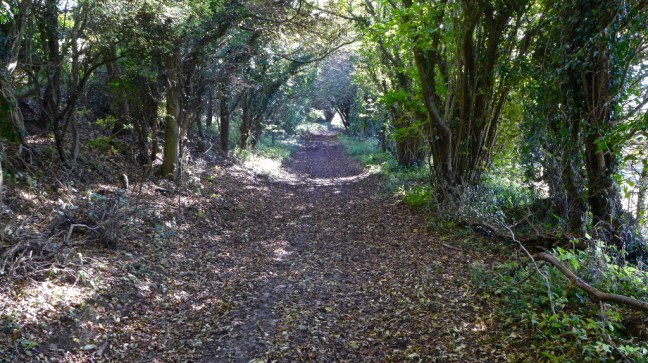
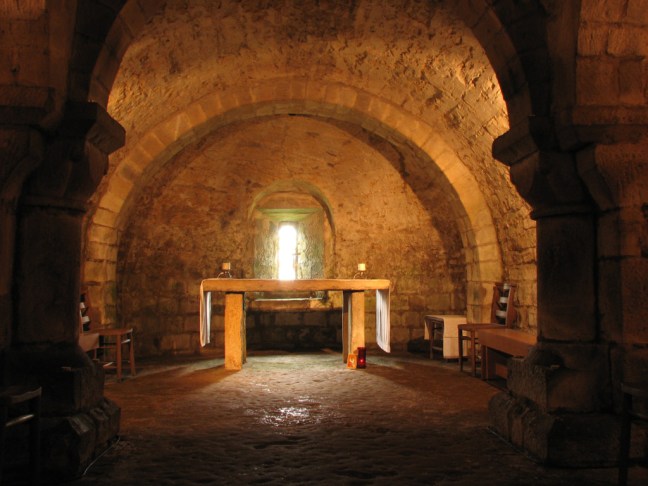
We then descended another old Drovers’ Road and now a BOAT (byway open to all traffic) to Scotch Corner. This is very different from Scotch Corner on the A1/M1 much further north. There used to be a pub here for the drovers’ rest and suitable refreshments but it fell into disuse. In the 1950s John Bunting created a chapel to commemorate former students from Ampleforth College who sadly had been killed in the Second World War. John had been a teacher there.
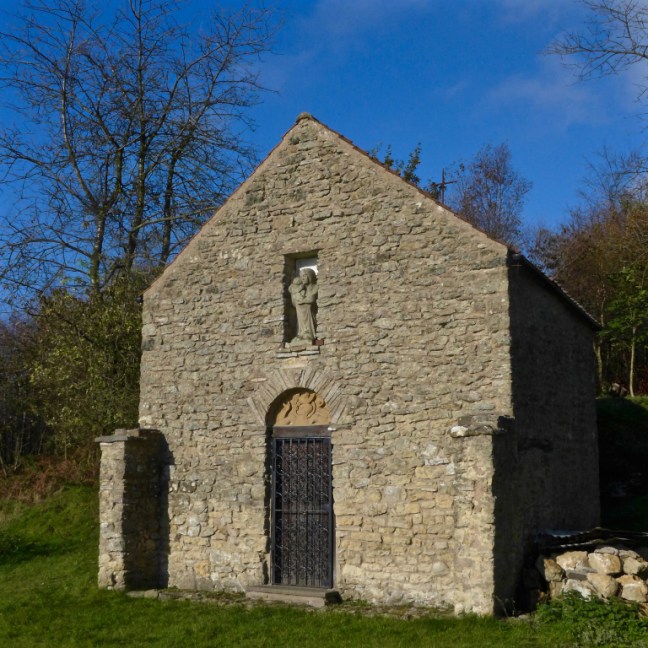

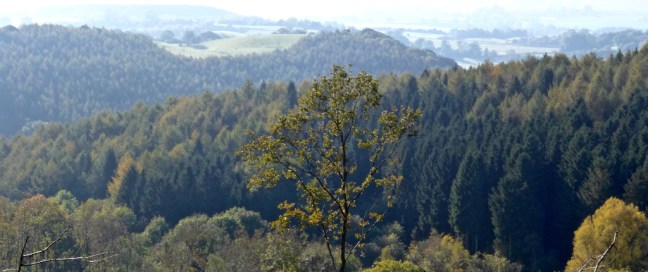
We decided to stop for a ‘banana break’ and coffee as on a very sunny day it was idyllic, sheltered and with a stunning view.
There are some lovely carvings.


We were just about to leave when two gentlemen from Middlesborough joined us holding a book. It turns out that John Bunting’s daughter, Madeleine Bunting, had written about this piece of land and her brother’s development of this lovely chapel. On my return home I and my companions each ordered a copy of the book and look forward to reading it. One of the gentlemen had been a student at the University of York in the early 1960s and of course I had worked there from 1986.
Scotch Corner has long been associated with the Battle of Byland in 1322 when Robert Bruce of Scotland heavily defeated Edward II’s English army in this area.
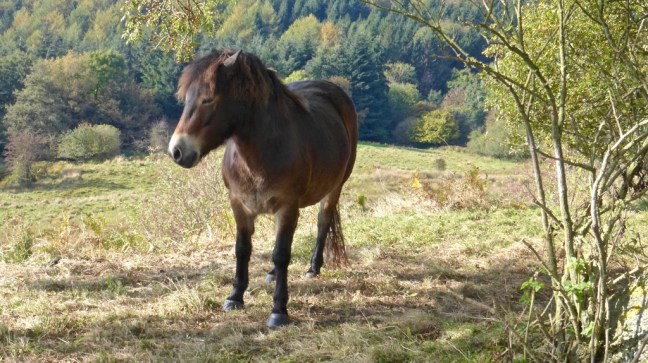
We eventually continued to descend the Drove Road towards Oldstead, passing some Exmoor ponies at Oldstead Bank. I am not really sure what they were doing in the remote parts of Yorkshire! They are evolved to survive harsh conditions and in Winter it will often be snowbound and very cold in this area.

Walking along these Drovers’ Roads you can almost feel yourself going back in time to when horses, livestock and perhaps carts would have trundled along them.
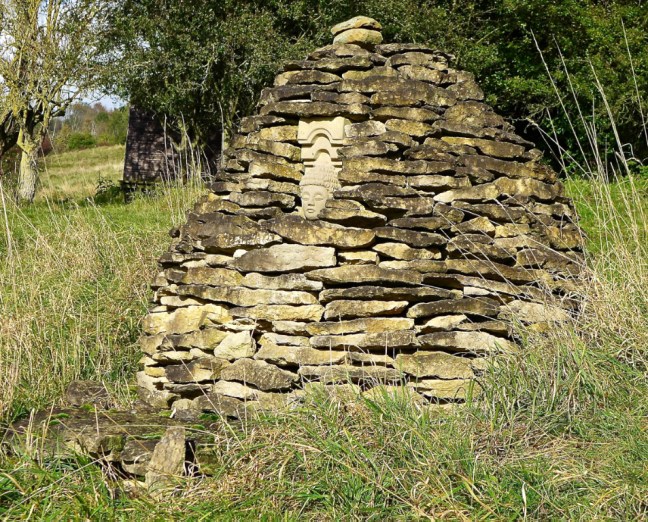
A rather unusual stone structure brought us to an inquisitive halt. We could not determine what this was for.
We passed the Olstead pub and restaurant , The Black Swan.
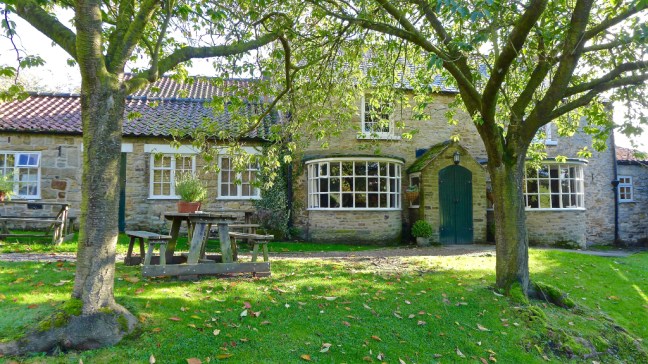
Autumn light and colours lit up the peaceful scene further on from the pub.

Our peace was interrupted when we came across a sign “Children Playing”. See the slideshow:
Closely followed at Oldstead Grange by “Kittens at Play”
You can make your mind up which are the daftest and which are the cutest!
If that was not enough stimulation for one day we walked past a hedge covered in bright red berries.

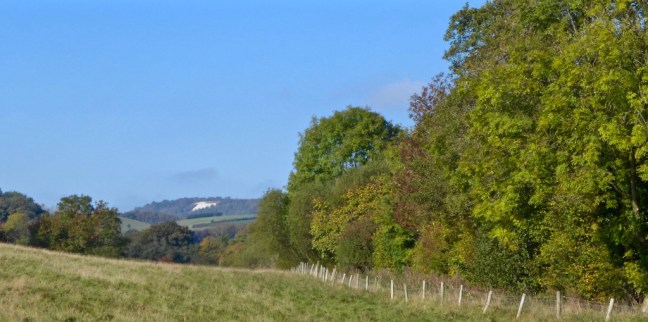
Then The White Horse in the distance.
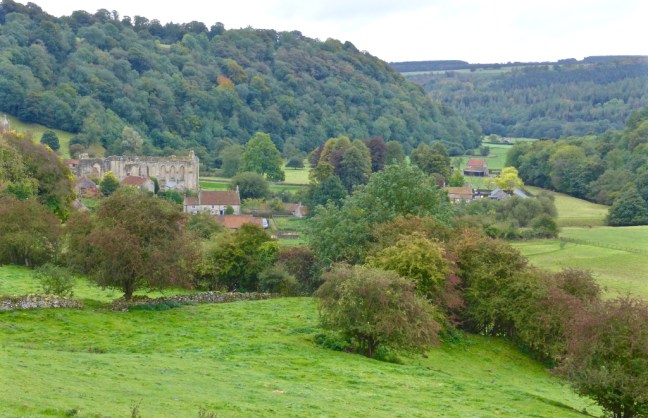
Lunch was on a bench overlooking Byland Abbey in sun with a falcon display in the background. It doesn’t get much better than this in the middle of October.
Byland Abbey was established in 1135 and disestablished in 1538. It was of the order Savigniac and then absorbed into Cistercian in 1148. After early disputes with other religious orders it became famed for sheep rearing and wool exports. The church was reputedly one of the finest 12th-century churches in Europe.
Abbey House was passed

and yet more horses.

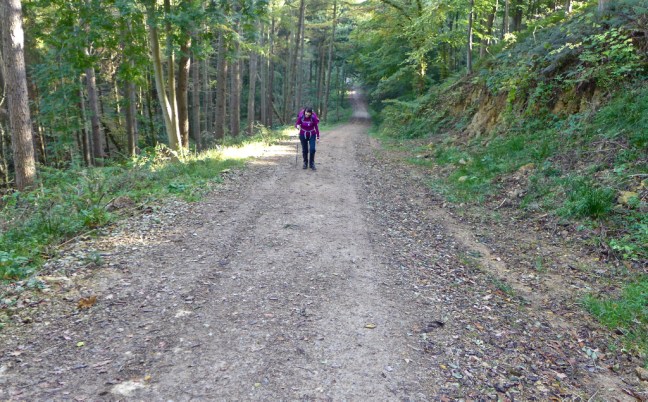
With relaxation, lunch and fun over, a steep long hill beckoned through Abbey Bank Wood
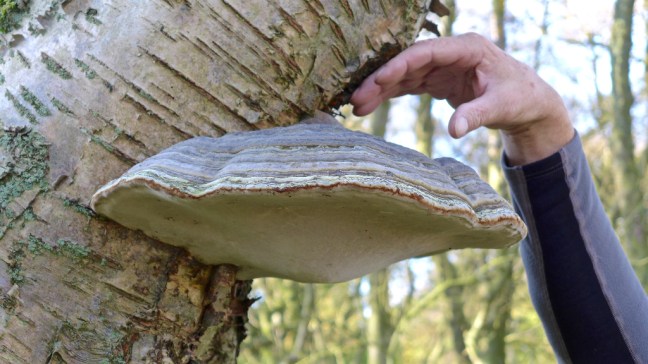
To lead to some flying saucers,
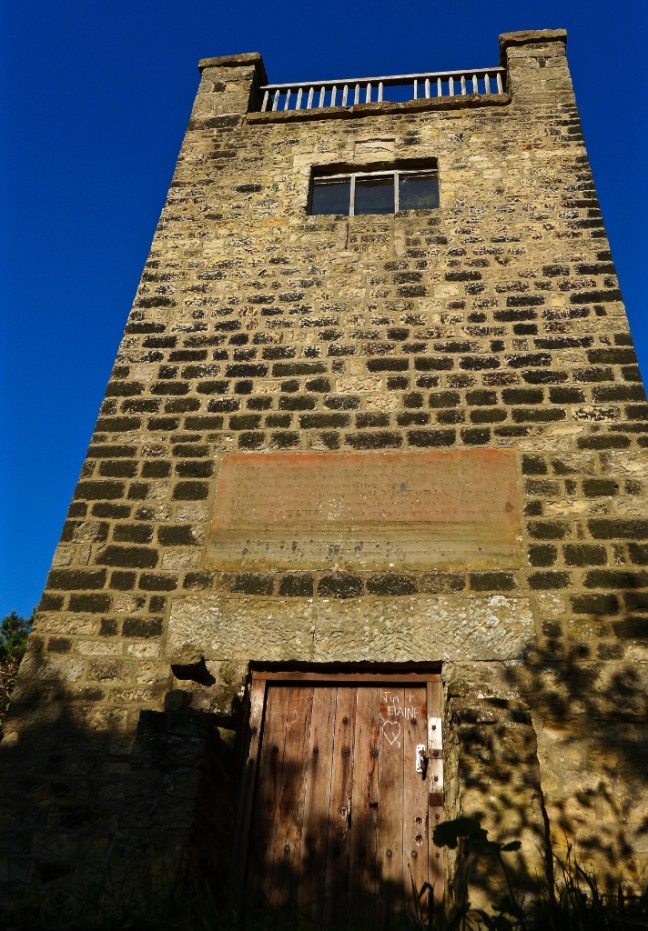
near Mount Snever Observatory. This was built in Queen Victoria’s reign by John Wormald of Oldstead Hall.
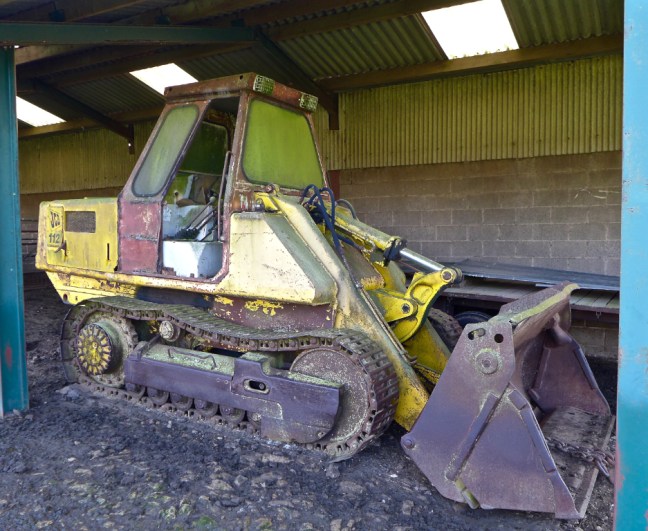
A more modern relic in need of attention was found at Cam Farm.
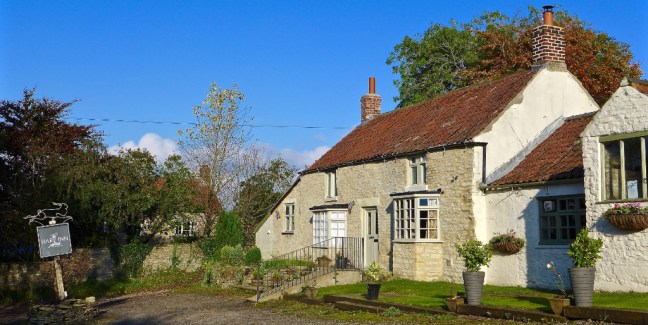
After crossing the main A170, we descended to the village of Scawton to pass another pub, the 13th Century old Hare Inn.
Yet more Autumn colours in Scawton,


and memorials in Scawton Church.


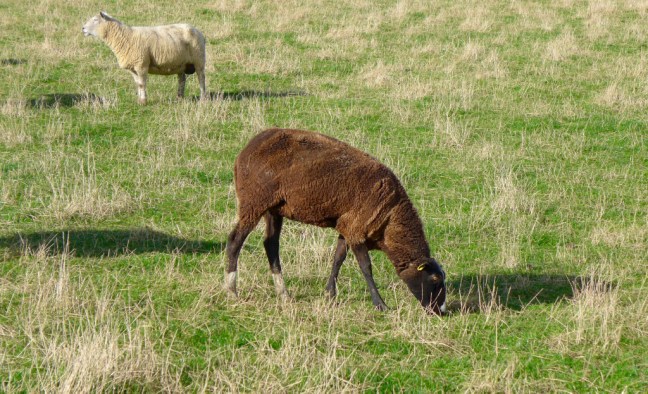
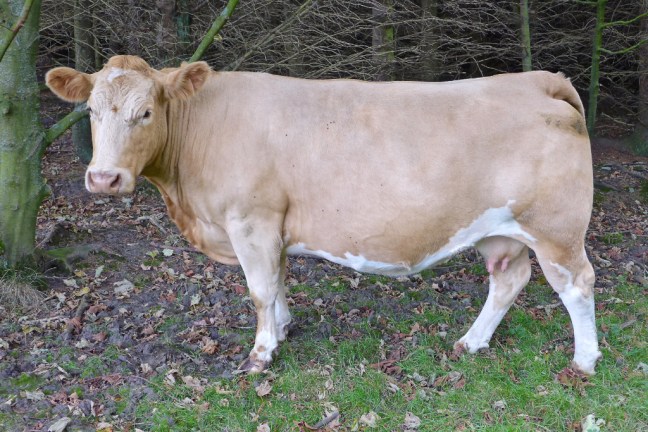
Leaving Scawton we came across some unusual sheep with white feet! 
But more interesting were the vast numbers of cobwebs in fields and in the trees. Spiders stocking up for Winter?

We arrived back at Cold Kirby tired but exhilarated by a varied and interesting walk. One of the best.


Mileage completed 13
Calories burnt 1,500
Average pace 19 minutes per mile.
Steps taken 27,300
Fastest two mile split 18.36 minutes per mile at 2-4 miles stage.
Photographs taken – Lots!




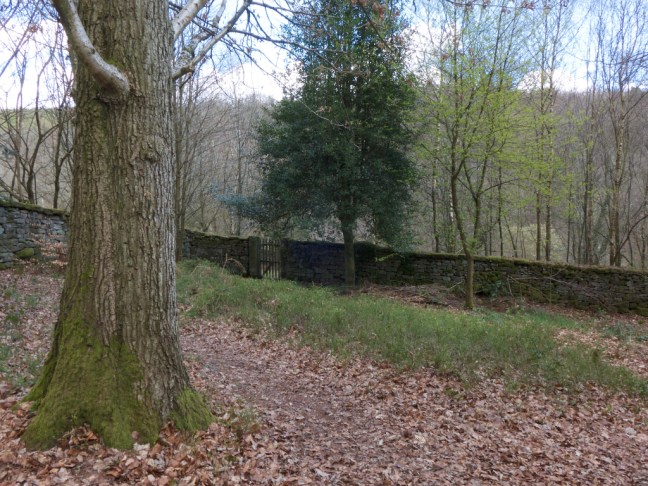
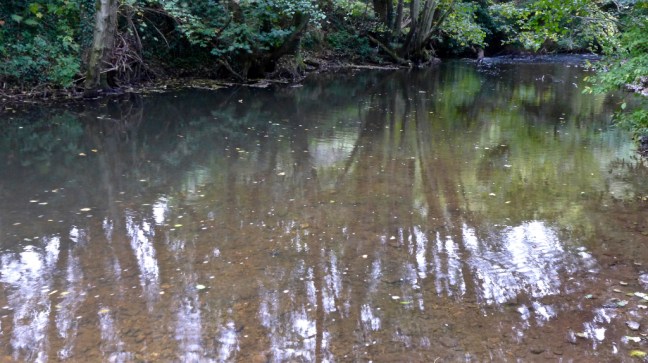
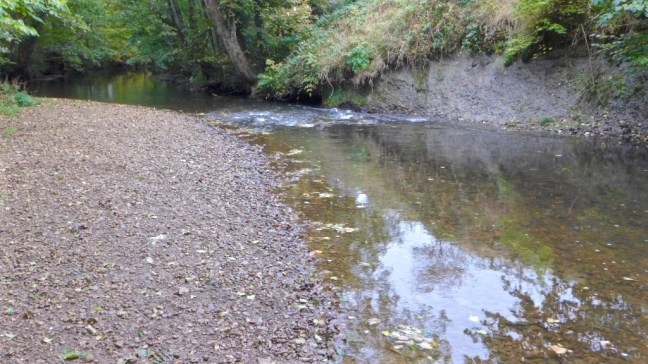
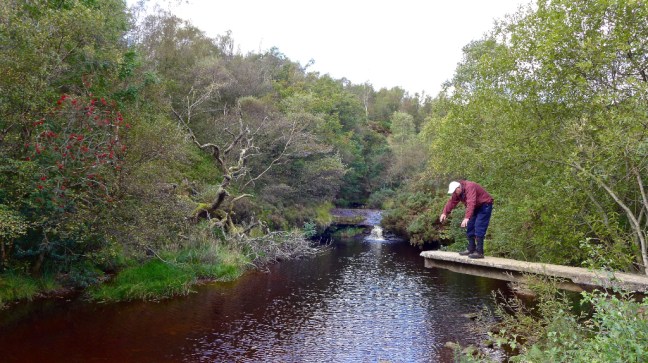
 The River Dove was followed to pass by the peaceful Lowna Burial Ground, which forms the Quaker burial ground where 114 Friends were buried between 1675 and 1837.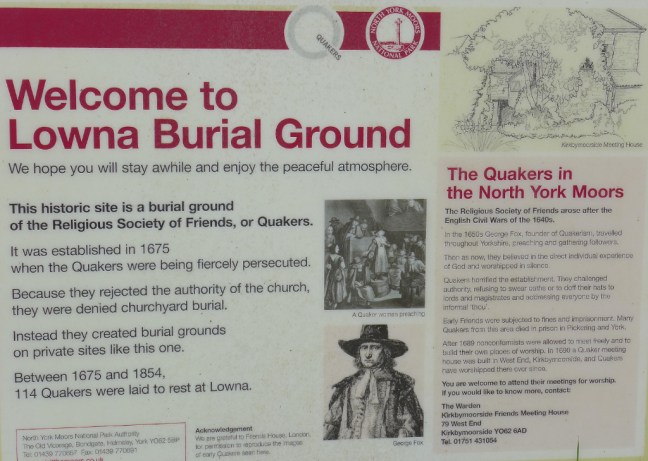






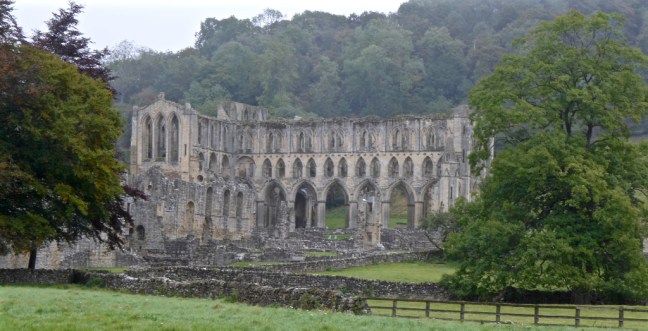
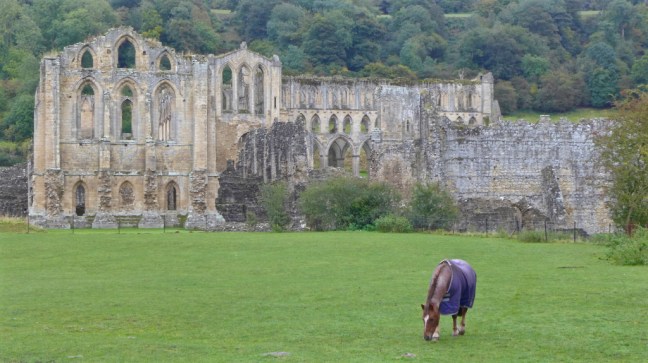
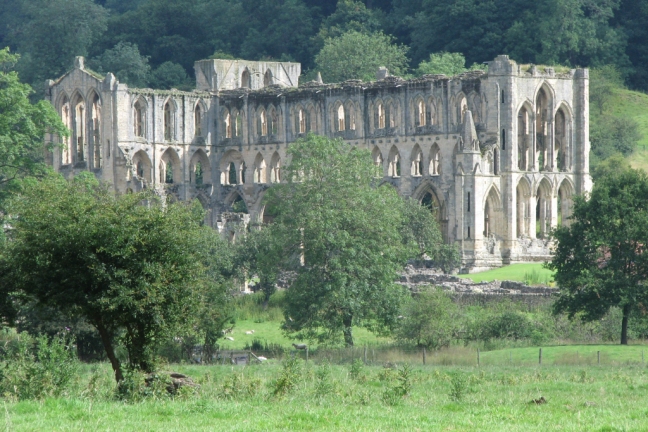 The Cistercian Abbey was founded by Walter L’Espec in 1132. Its importance can be judged by the fact that thirty-five years after it was founded there were 140 monks, 249 lay brothers and 260 hired laymen, a large community. The Abbey nestles in a tree-covered valley whose narrowness accounts for the fact that the church is aligned from north to south instead of from the usual east to west. The monks created great wealth, from sheep farming (at one time they owned 14,000 sheep), iron working, fishing and salt production on the coast. Canals were used for floating blocks of stone on rafts from the River Rye to the Abbey for carving. Around the time of the Dissolution, however, the abbey declined and fell into debt and by 1536 only twenty-two monks remained. After 400 years of life, the site was eventually stripped for building stone and, in due course passed to the Duncombe family. It was acquired by the state in 1918, and is now superbly looked after by English Heritage.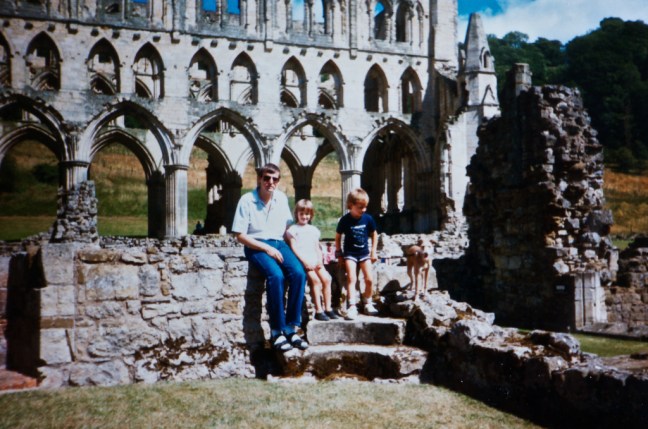
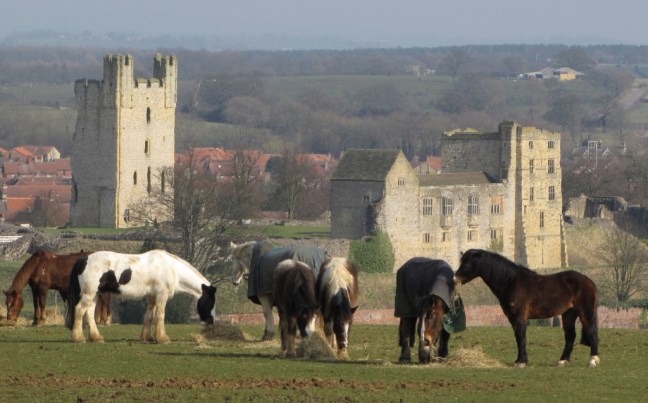 It was built in about 1200 and was later besieged by Parliamentary forces after the battle of Marston Moor and the fall of York during the Civil War. The castle was finally surrendered on 22 November 1644 after a three-month siege. Between 1646 and 1647 the castle was made unfit for war with parts of the keep and the walls being destroyed. It is now in the hands of English Heritage.
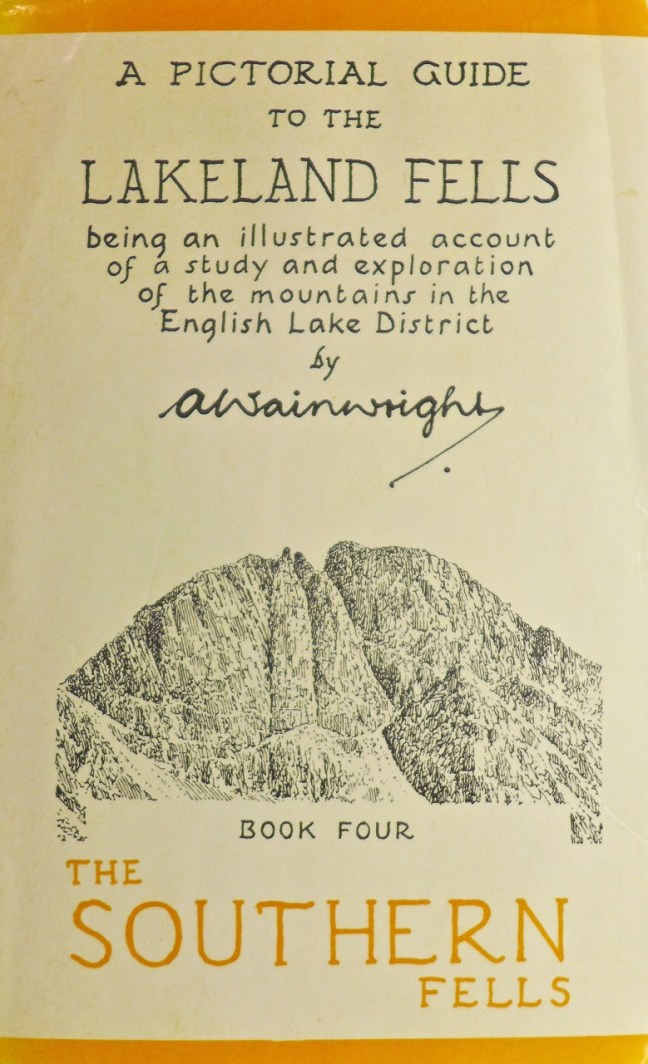

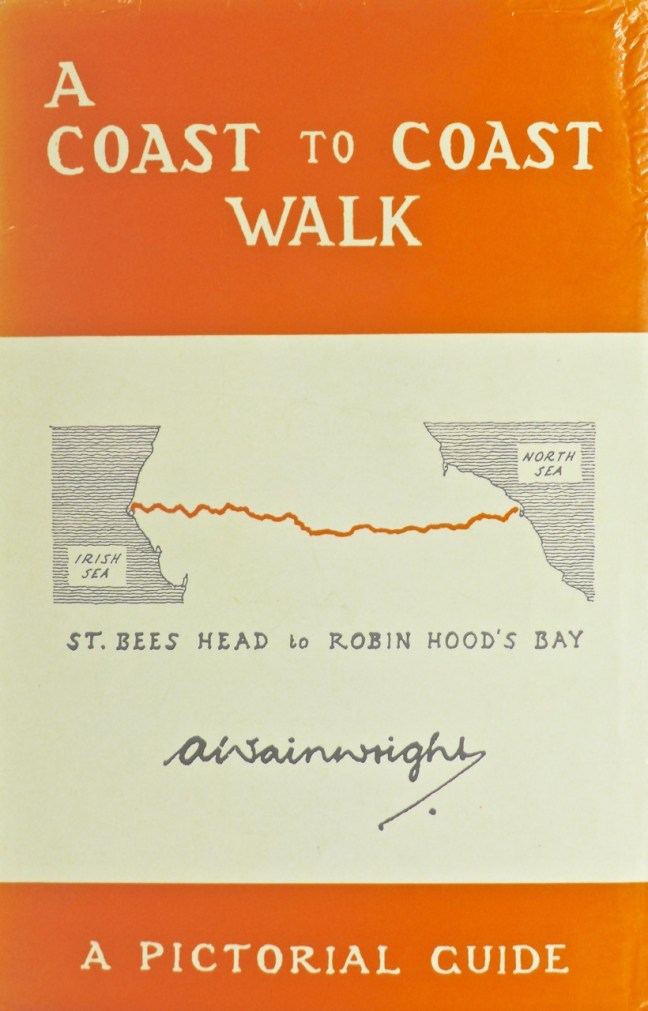








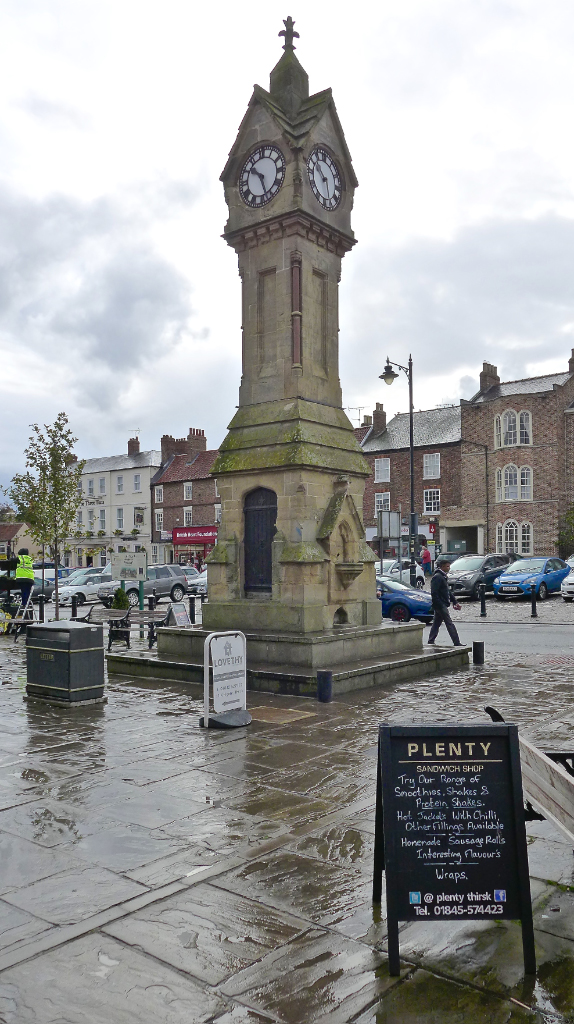
 The stagecoach trade provided employment for large numbers of townsfolk until the coming of the railway. Now tourists provide a lot of employment.





























 secretwalkscom