Post 285: 7 August 2018, At Sea
At night I tend to leave my porthole curtains open in the hope of capturing a good sunrise next morning. There was a slight problem as sunrise was due at about 4.45am, which was a bit on the early side even for me. But it was a sea day and so I could always catch up with sleep later in the day.
Looking out of the porthole at about 4.00am (I seem to have an internal alarm clock for sunrises) I realised it should be a good one and got dressed and went on deck, trying not to wake my wife Celia.
I wasn’t to be disappointed as the sky was blood red and somewhat surprisingly I wasn’t the only person awake and up.  Photographing sunrises and sunsets is one of my favourite subjects. I love this time of day when many others are asleep and I seem to have the world to myself, quiet and serene.
I tend to revert to manual settings on my cameras alternating from focal lengths of 24 to 600mm. The latter can give a completely different perspective, almost getting to the ‘heart’ of the sunrise or sunset and capturing images and shapes that the eye finds difficult to see without some magnification from a zoom.
 But sunsets, especially at sea, look good on a broader view too as they change colour, tone and shape over time.

 And if you have a mountain peak and/or an iceberg in as well you have hit the jackpot!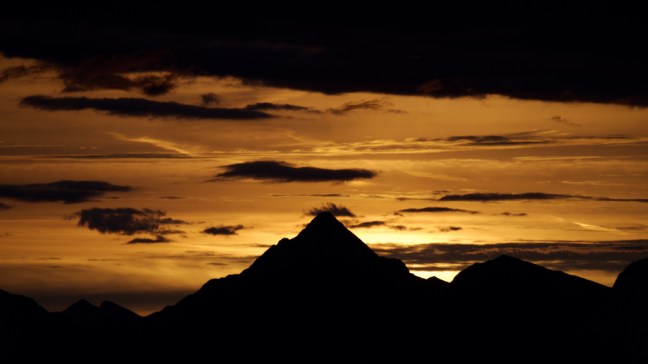

 After such a good start to the morning I then retired to the Marco Polo Bistro for tea and pastries, where I had a very enjoyable chat with Lawrence Robinson who was the excellent opera singer on the ship. He has even sung with Katherine Jenkins so must be good!
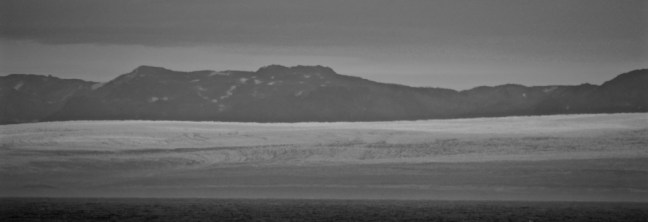
Little else happened on the sea day other than in the morning when we passed what looked to be where the Greenland ice-cap met the sea. At first I thought it was clouds in the far distance, but on further looking realised it must be a part of the ice-cap where it reaches the sea. 


 We arrived in Sisimiut next day at 8am in the morning. The second largest city in Greenland, situated 25 miles (40km) north of the Arctic Circle.
It was billed in the ship’s daily information sheet as ‘offering plenty of opportunities for us to make exciting experiences that are highly unusual – even to Greenlanders themselves. There are a wide range of options for being active in nature – taking relaxed hikes or checking out activities for the more hard core traveller’.
I couldn’t wait to explore those opportunities………..but more of that in the next blog.
 We passed Qassiarsuk where, according to Icelandic sagas, Greenland was discovered in 982 AD by Eirikr Porvaldsson (Eric the Red). He had been exiled from first Norway and then Iceland. According to legend Erik’s father was also exiled from Norway in 960 AD as a result of ‘a number of killings’, and Erik’s entire family thus settled in Iceland. Here Erik the Red married Tjodhilde, but history repeated itself and his father’s fate also befell Erik. In 982 he was sentenced to exile from Iceland for three years for murder. He came to and named Greenland. The settlement at Qassiarsuk has been reconstructed.
 This saga had particular interest for me as on 21st January 2017, as a birthday present consisting of a DNA test, I discovered, whilst on a ship to Norway, that I was 32% Viking.
 Our route took us past the small airport.


 Adjoining is a museum recording the period of the USA and Danish development and use of the airport since the Second World War
 The bus service and petrol station are interesting! The bus takes people from the airport to a nearby hotel. My bus-pass wouldn’t get me far in Greenland! I think the petrol station was self-service, with only two choices!


 Suprisingly there is also an arboretum and unique ‘botanical garden of the Arctic‘. The aim is to establish a live collection of trees and bushes heralding from both the arctic and alpine tree-lines of the entire Northern Hemisphere. There are 110 plant species and over 50,000 trees of various provinces.
  We decided to press onto the glacier on an increasingly hot day and with an increasingly higher number of mosquitos. We passed an interesting structure, which looked like a fireplace. Behind it was a dam for hydro-electric power.
  We enjoyed seeing the plant life in the area.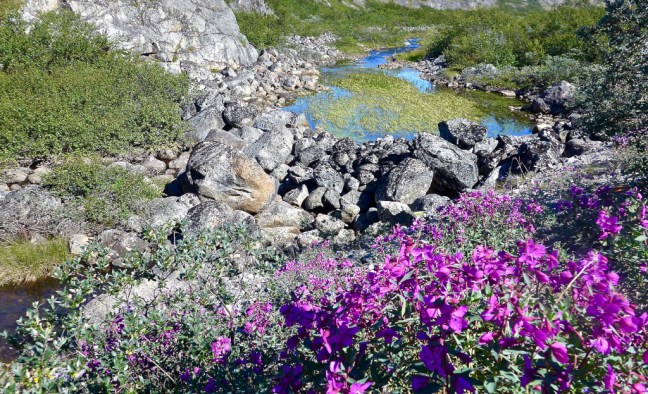


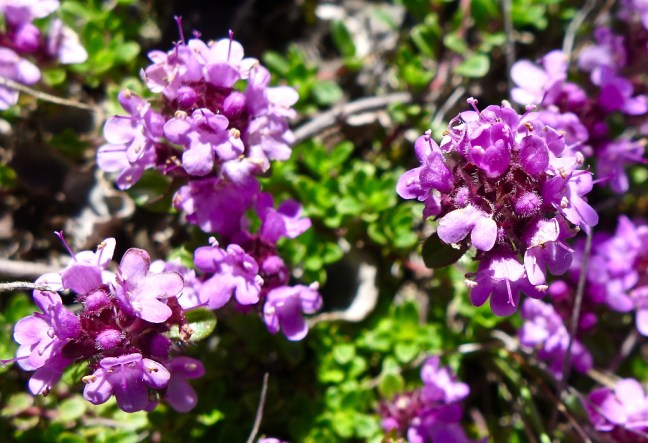
 Fed by water from the glacier.
 A cairn indicated the variety of rocks in the area.
 We then passed an interesting snow fence experiment.
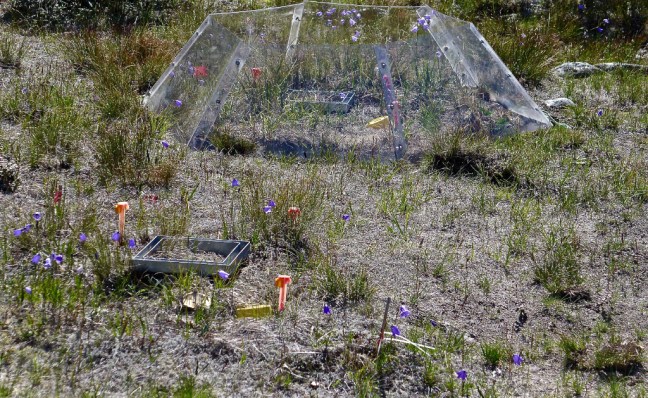 Before climbing to a viewpoint.
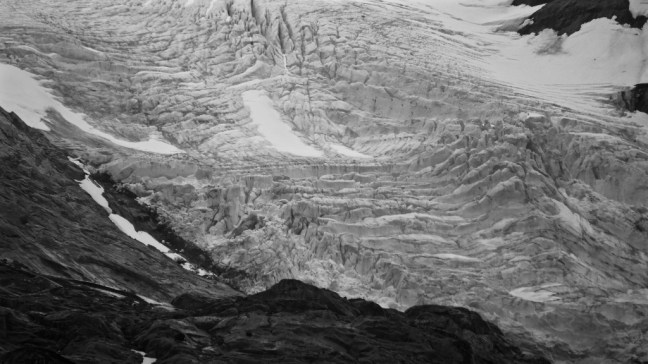
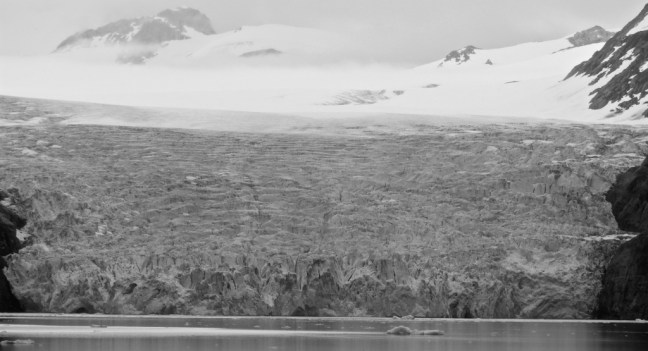
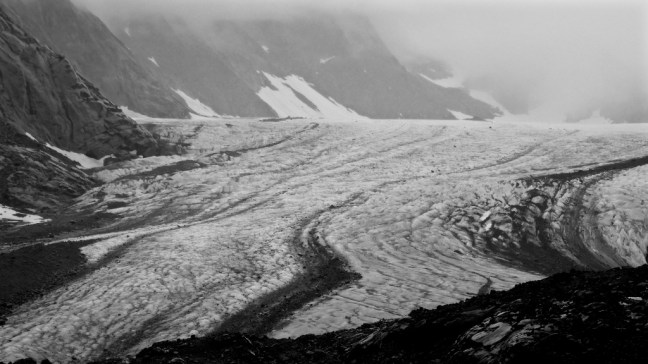
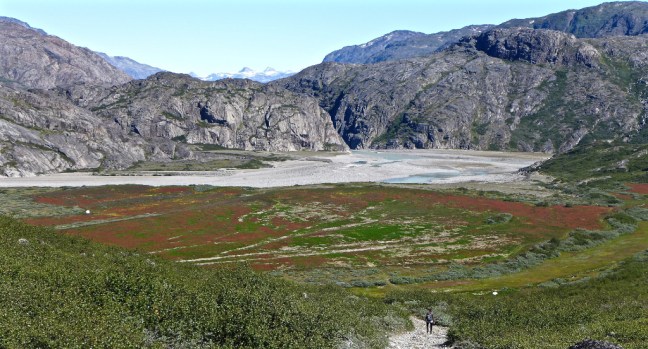 However, the glacier had retreated and we had insuffient time to reach it. I later got a peep of it and a photograph from the ship.
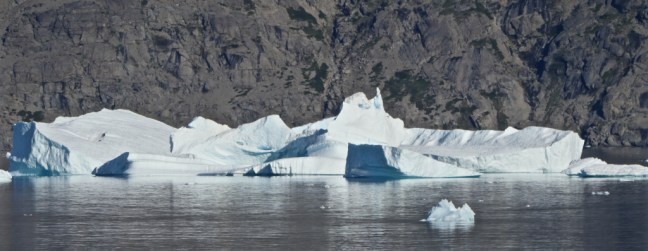
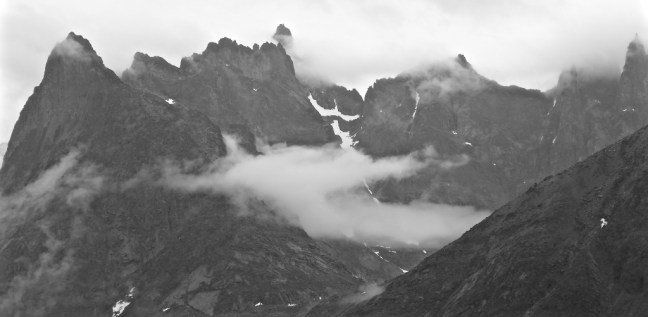
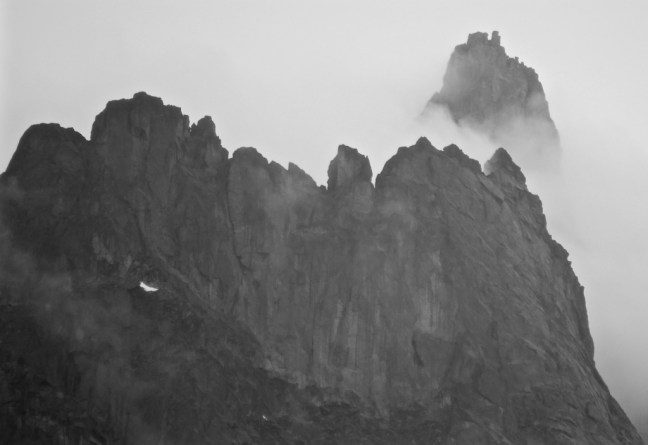
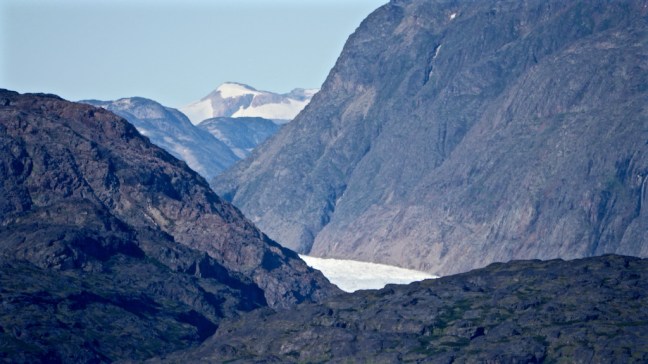 In a day that had begun at 3.15am with the ship colliding with an iceberg, followed by a stunning trip to icebergs/ice flows in the morning (see previous blog) and then a 12.6 mile walk towards a glacier, I thought it only fitting to finish with icebergs and mountains photographed from the ship after we departed the port at 18.00 hours.




 And in these remote and poor areas man can only struggle to dispose of his waste and rubbish by burning it. Or just leaving it to ‘soil’ the earth. In the wealthier countries with re-cycling facilities he often does worse, throwing it out of the car or throwing it on the floor or leaving it in a plastic bag to ‘stain’ the countryside for years to come.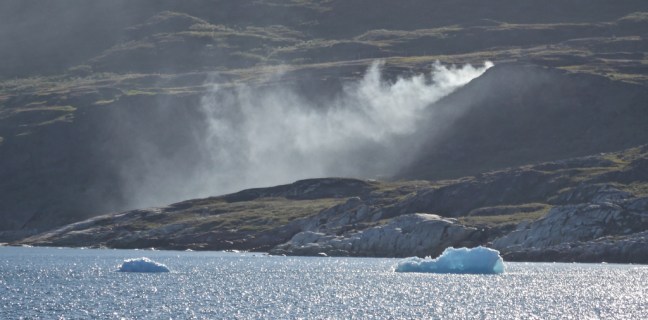
 The next day our Captain announced that the ship would be checked in port followed by another more major check with specialist divers at the next bigger port. He did say we had hit a growler (a small ice-float). There was some doubt in some passengers minds that it was a growler, especially from those who saw it.
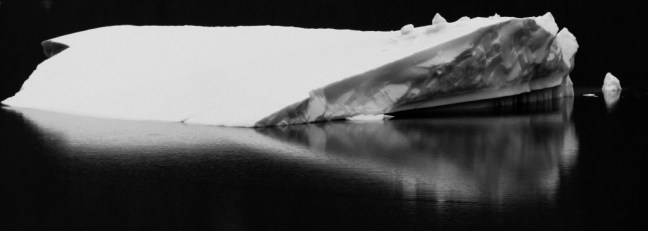
 To get amongst the ice in small boats is quite magical and humbling. Each iceberg/flow is different and unique. Nature is a wonderful sculptor. Here are some black and white photographs I took.
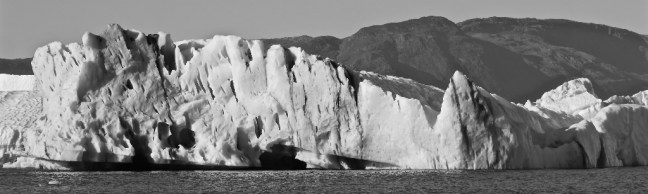
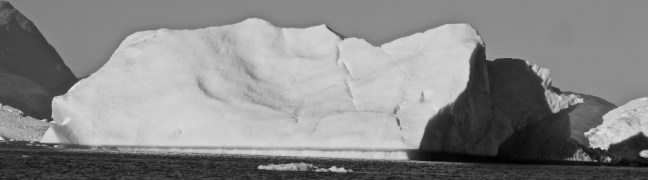


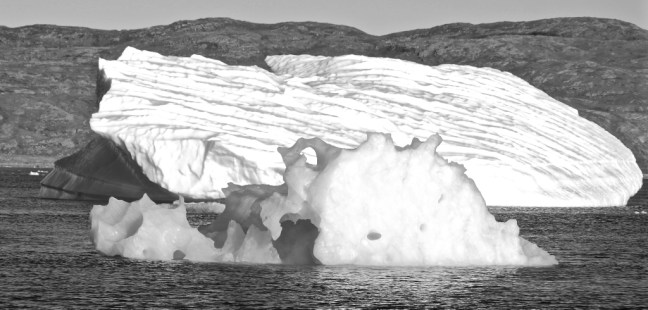

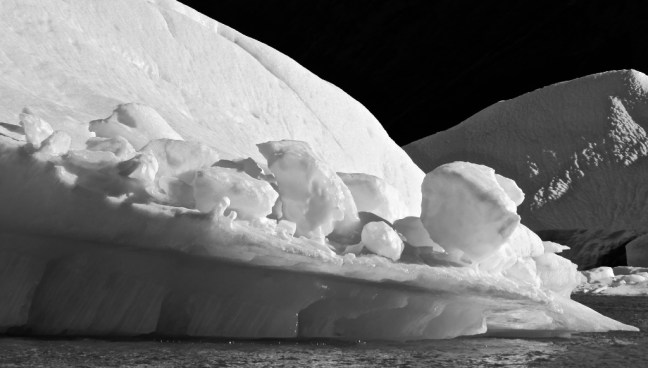
 We then went further up the fjord to see the source of these icebergs/flows. Our local ‘captain’ switched the engines off and we listened to the silence – it was so unlike anything else I had ever done. The scale of it was overwhelming.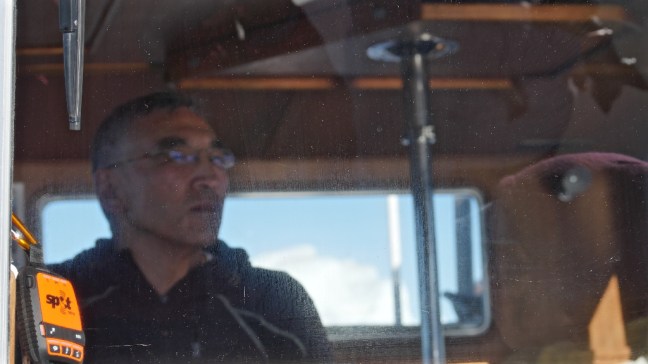

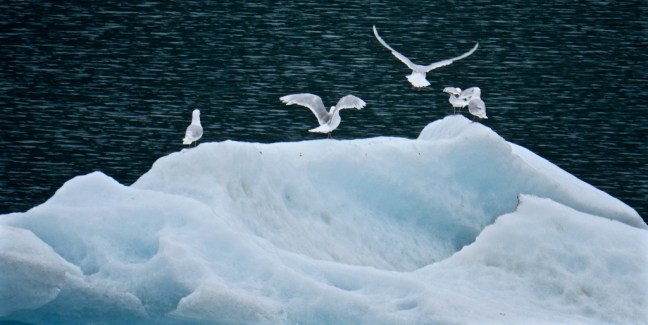
 The icebergs and glaciers are magical in colour too!! I will not apologise for the number of photographs as each ice flow is unique and carefully created by nature. To be amongst them overwhelms the senses and results in the mind constantly turning over to take in all the shapes, sizes and colours not normally seen. Many hues of blue and white, some intense, some transparent and some dense and snow packed.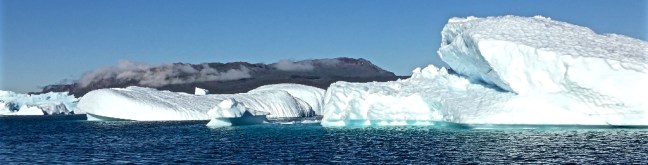

 The imagination wanders – a snowplough?
 A strange pointed eared animal?
 A monster from the deep with an eye, small mouth and flippers.
  At times we sped between the ice
  and then stopped suddenly close enough to touch it.


 Then it was time to get close again, at times almost underneath them.


 Before approaching the really big ones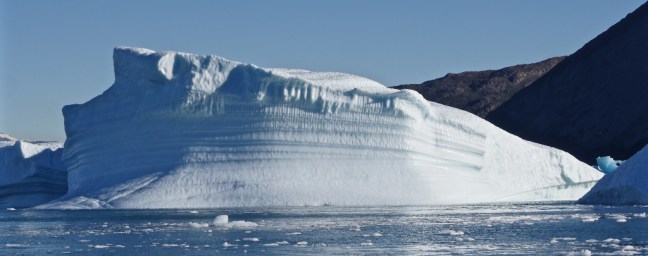
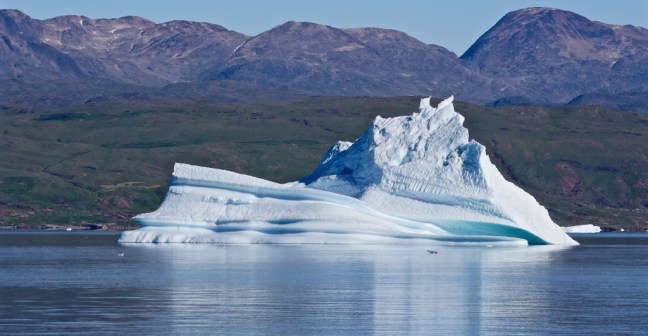
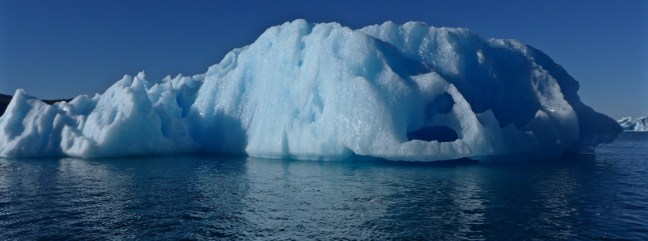
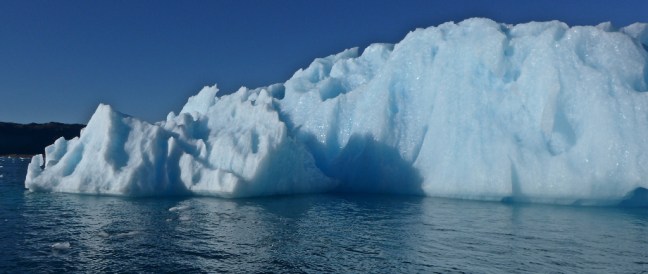
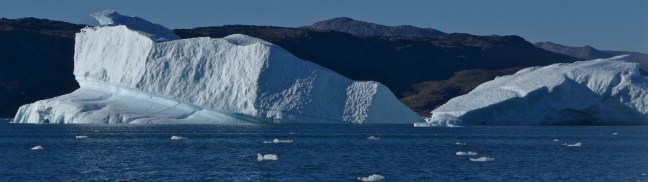
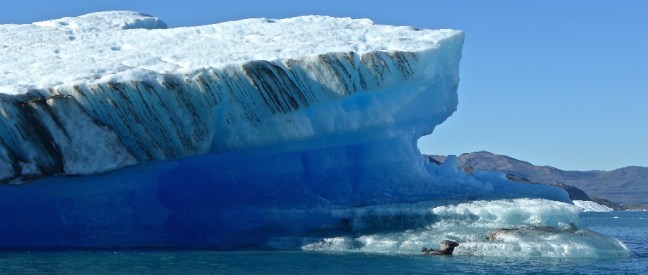

 Before scurrying back to our ship with our tails between our legs as nature showed us its power and supremacy.
 Such moments are etched on the mind and soul, never to be forgotten.


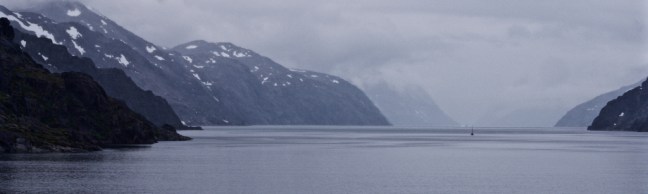 It was time to get dressed up for the passageway, which was likely to be cold and out of the sun. Also to get cameras and binoculars ready. The order of the day was lots and lots of layers, including goose down body warmers and fancy warm hats. I was now grateful for my new thin gloves for photography, which I had bought in Akureyri, Iceland earlier in the voyage.




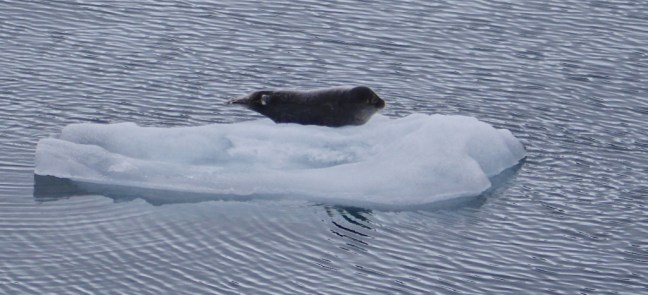
 Baby seal hitching a lift
 A growler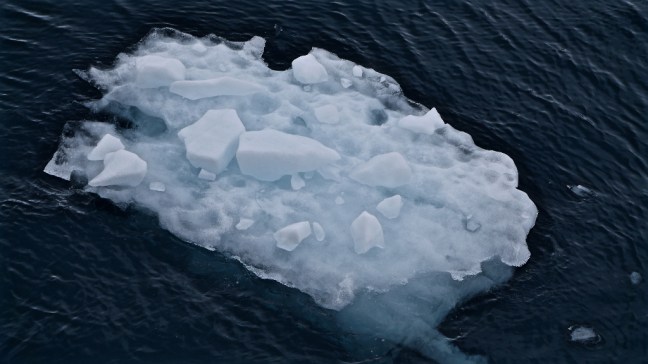







 Aappilattoq with a population of approximately 150, 132 in 2010 and 200 in 1991. The average age is 31.5. Only accessible by boat or in an emergency by helicopter. It again suffers from the difficulties of disposing of more modern rubbish.
 Not a good idea to meet one of these in a narrow passage as we were soon to find out next day at 3.15am!


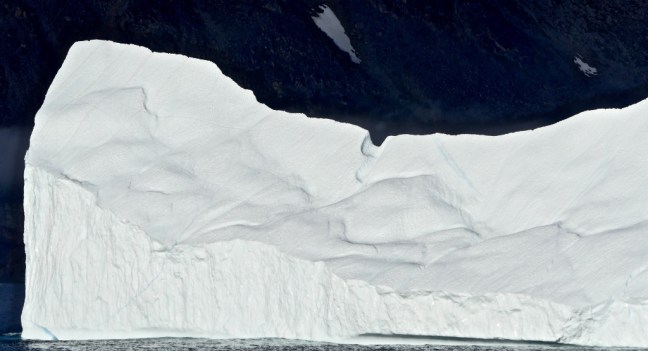
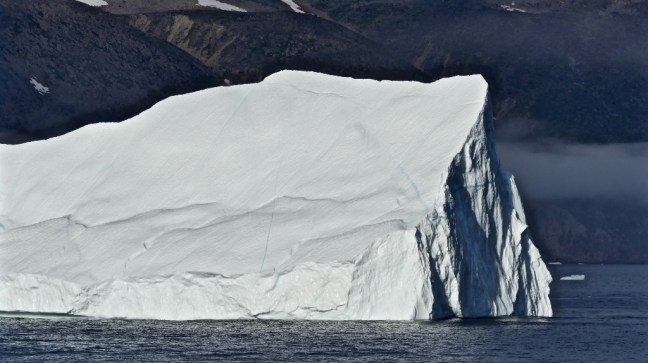
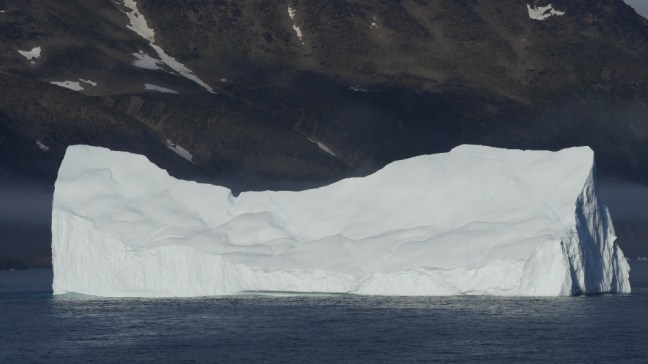
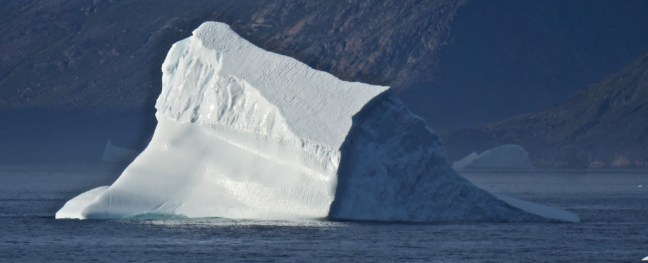
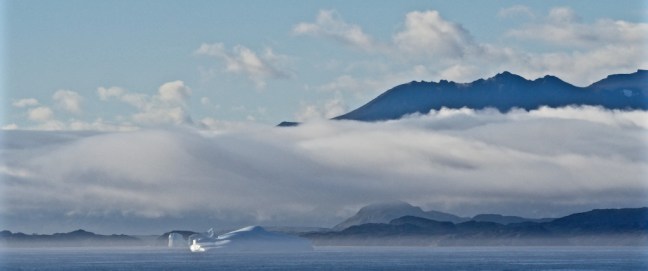
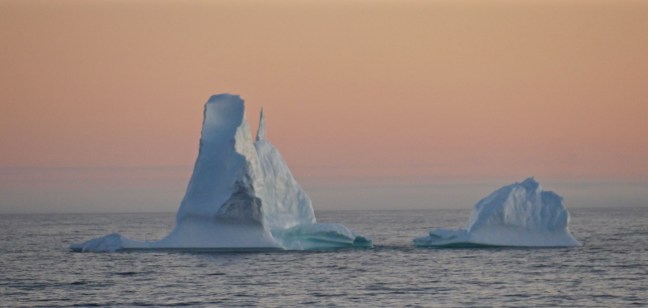
 Leaving the passageway of Prince Christian Sound, we entered open sea, where the icebergs just got bigger.







 We were due to arrive at Narsarsuag at 7am next morning, but were to have a startling awakening in the night…
 My wife Celia came dashing out of the shower naked and dripping wet. It was the nearest I would get to the ‘Titanic moment’ when Leonardo DiCaprio drew Kate Winslet completely nude, except for a necklace. Celia didn’t even have a necklace on.
 4 August 2018, Tasiilaq (formerly Ammassalik until 1997)
 Tasiilaq only has a population of approximately 2,062 people, but is the largest town on the eastern coast of what is the world’s largest island! It is the seventh largest place in Greenland. It is 65.9 miles (106 km) south of the Arctic Circle. It is one of the most isolated settlements in the world, where to the west the ice sheet rises up to 8202 feet (2,500m).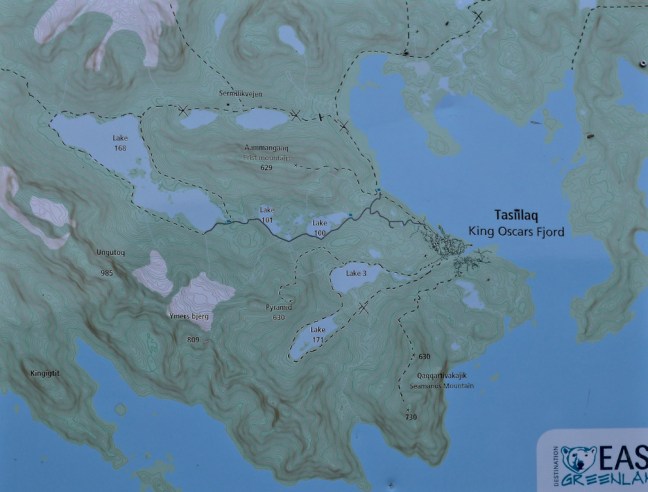
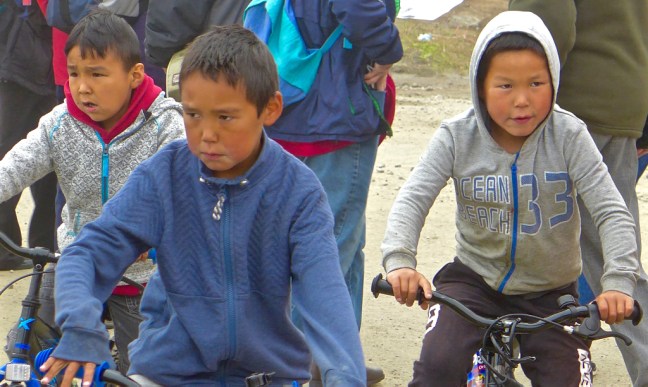
 The local children were first to greet us with interest on our landing.
 The Saqqaq culture was the first to reach Eastern Greenland arriving from the north. Thule migrations passed through the area through what is known as Peary Land and Independence in the 15th century, finding the south-eastern coast uninhabited. Due to back migrations to the more densely populated western coast, the south-eastern coast was deserted for another two hundred years. The region wasn’t settled until the late 18th century, with the village surviving as the only permanent settlement in the 19th century. This was founded in 1894 as a Danish trading station.
 We soon reached a new football pitch shrouded in sea fret. Will Greenland qualify for the next World Cup?!
 One of the sad and surprising things we found in Tasiilaq was an abundance of litter. One can speculate on the reasons but it is to be hoped that something can be done about it. It is clearly a poor area and pride in what must be an incredibly tough environment to live in appears to have disappeared. It may be the change from a subsistence culture of hunting and fishing to a culture mixed with a modern culture is a factor. Alcohol and drugs are now more readily available and hunting and fishing is becoming more difficult with climate change. Greenland is unable at present to provide recycling facilities and so has to burn rubbish. Modern products such as tin cans, metals and bottles can’t be burnt and they tend to pile up near the ports.


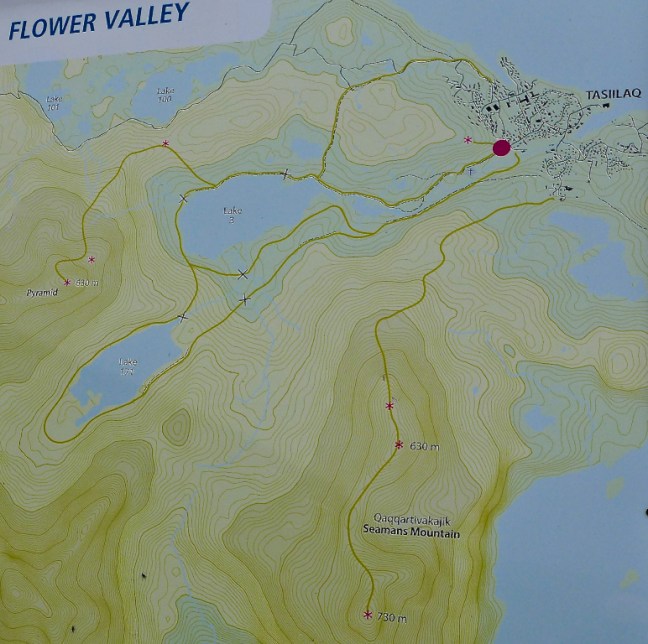
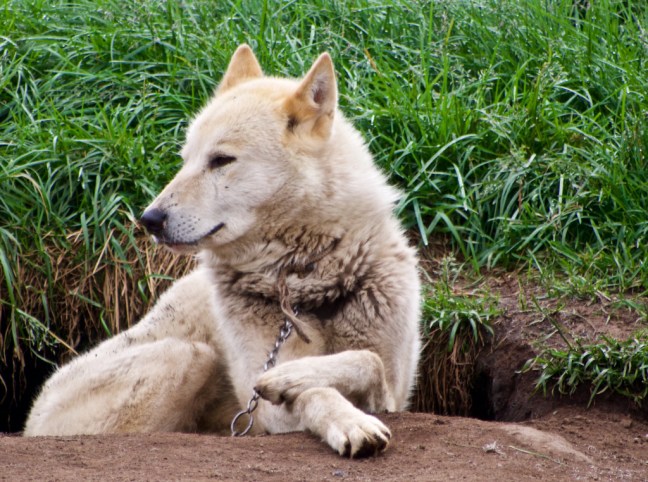
 Following the river valley we passed the husky dog area. These, pulling sledges, are used for getting about in winter in the snow as there are no roads out of Tasiilaq.

 Known as the the flower valley there are indeed a number of flowers to be found.


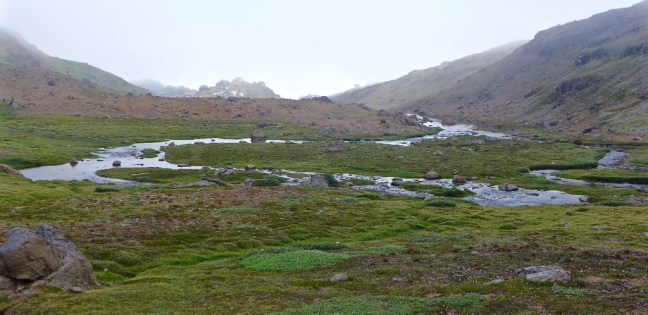 We decided to head up higher.
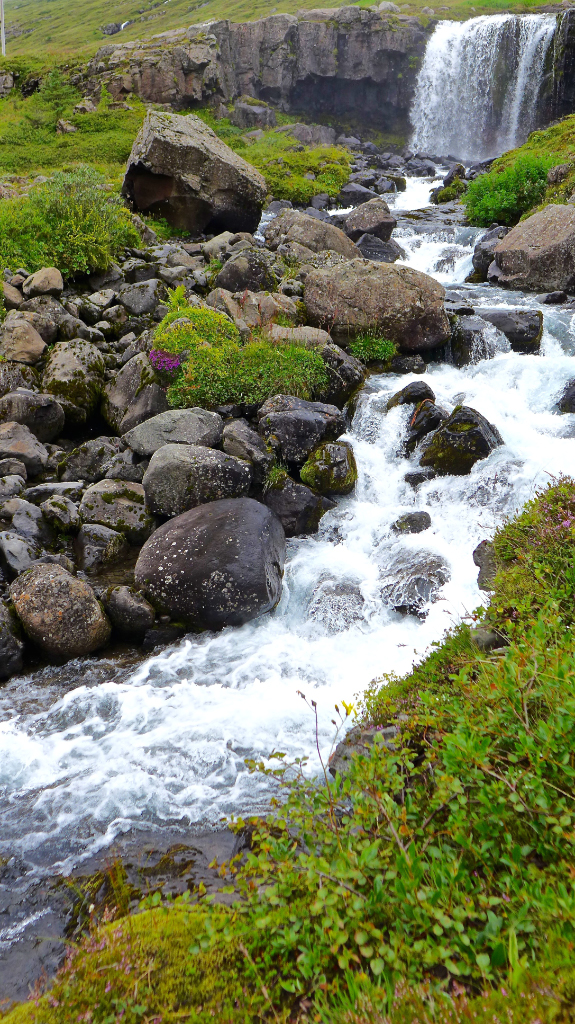
 Before descending to a waterfall and the lakeside area.


 Where our ship could be seen with passing icebergs and ice-flows.


 After an early cup of tea in the Marco Polo’s Bistro (there tended to be a few regulars there on opening at 6.00am each day!), I was rewarded with a good sunrise at 6.35am.
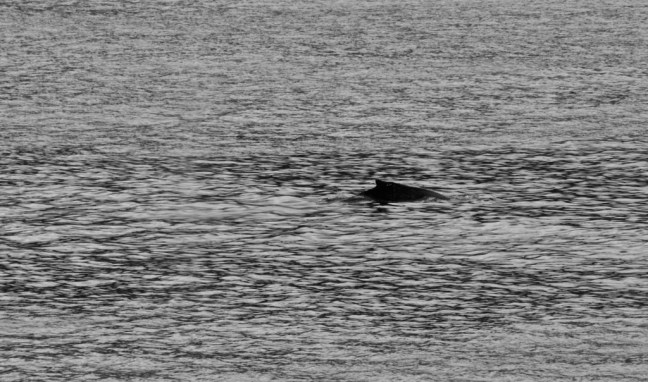
 Followed by some dolphins and possibly a whale.
 \
\ The impressive surrounding sheer granite mountains are tipped with snow all year round.
 Akureyri has a population of about 18,000 and on this day the population was to have an increase of 4,500 people due to the MSC Meraviglia being docked there.
  I have already expressed my view that these huge ships are inappropriate for docking at small ports as they tend to detract from the characteristics of the place you are visiting. Even a passenger I met from the MSC ship said it was just too big. New cruise ships are being built that are even bigger. In contrast the 848 on our ship (to the left behind the big one in the first photograph) can easily be absorbed by small towns and villages and not detract from the experience of the visit.


 A quick walk along the dockside and through the town’s main pedestrianised shopping street of Hafnarstraeti (I bought some thin gloves suitable for photography, but didn’t dwell there unlike the ladies who I left there) quickly brought me to the church and the ‘must do’ 100 steps, from which there are good views.

 I soon discovered that Akureyri has a microclimate and it was much warmer than anticipated, hence the surplus of clothes!
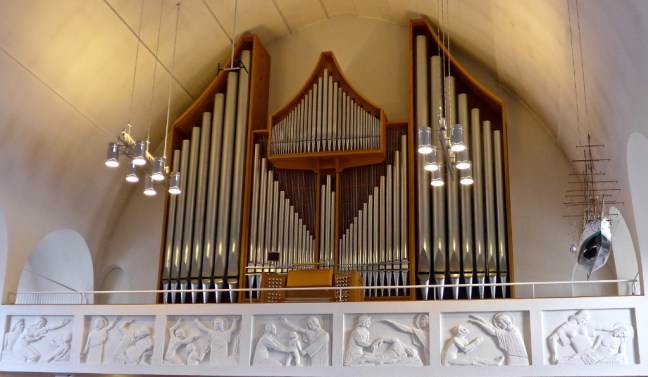
  The Lutheran Church was designed by the architect Gudjon Samuellson. The centre window in the chancel was donated by England’s Coventry Cathedral – it was one of only a few parts that survived the bombing during the second world war.
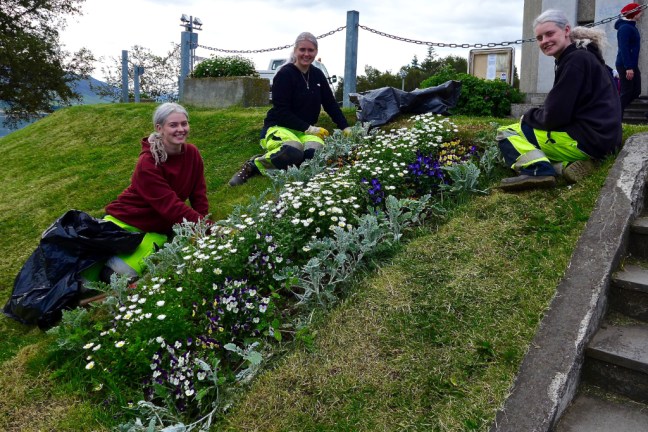
 The gardeners near the top of the church had distinctive hairstyles and nice smiles and beat Alan Titchmarsh anyday!
  I then walked uphill past the church,
 to pass some rather nice houses built in the 1920s.


 A little further on I came to the college and the ‘road to destruction’.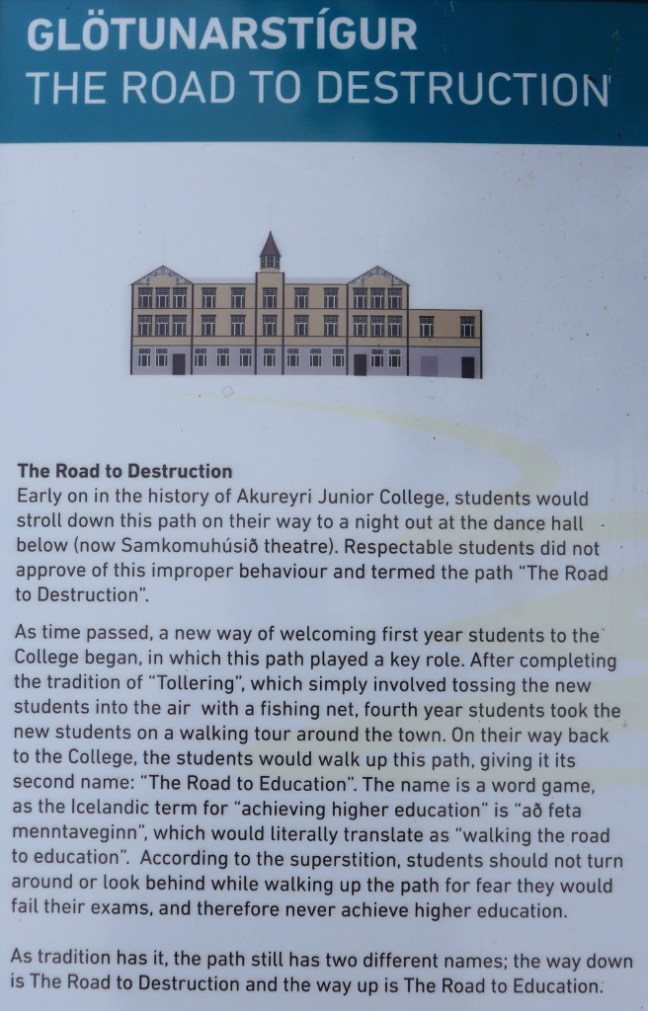
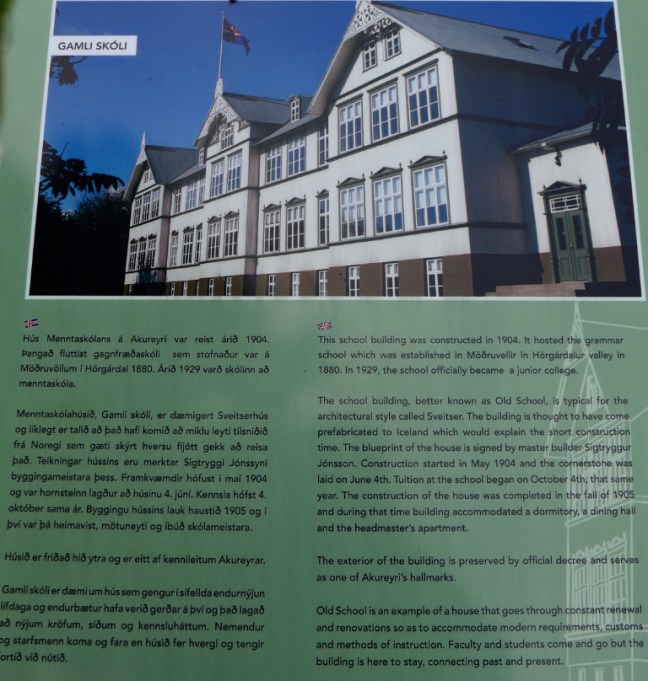

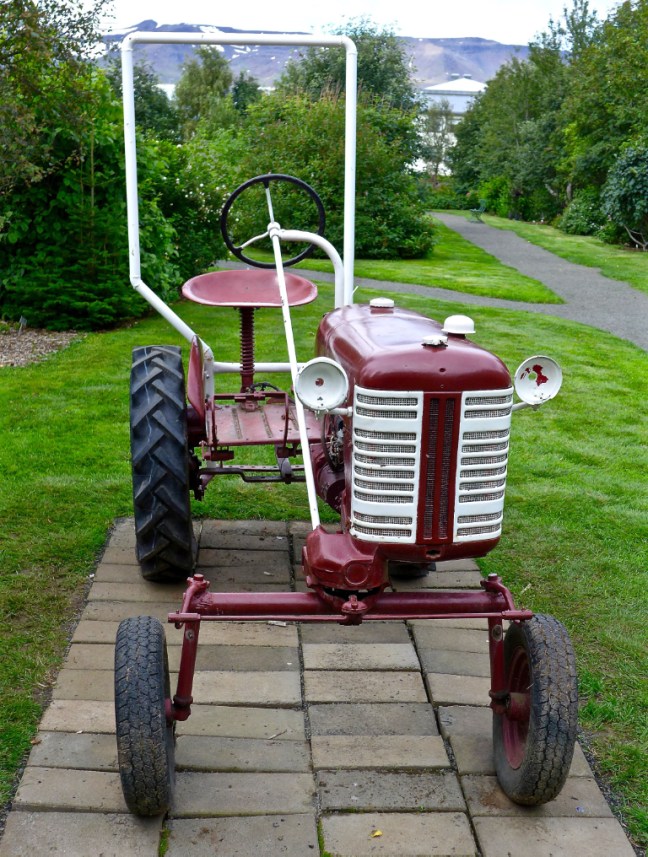
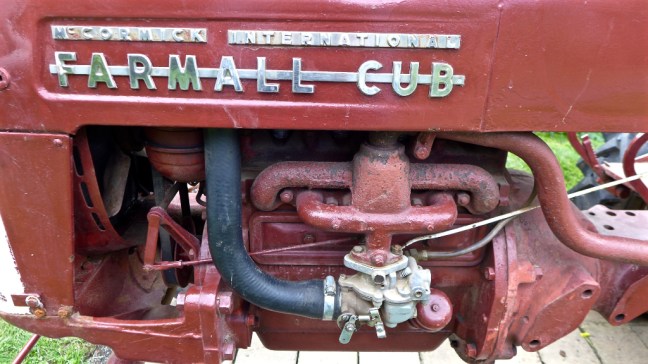
 Near an old tractor I found the entrance to Botanical Gardens famed for its 7,000 species of local and foreign flowers, which bloom outside in Akureyri’s warm microclimate. There were certainly a lot of plants to see.



 A new rock garden was under development
 All that remained was to walk back to the ship for lunch, encountering some trolls en route.


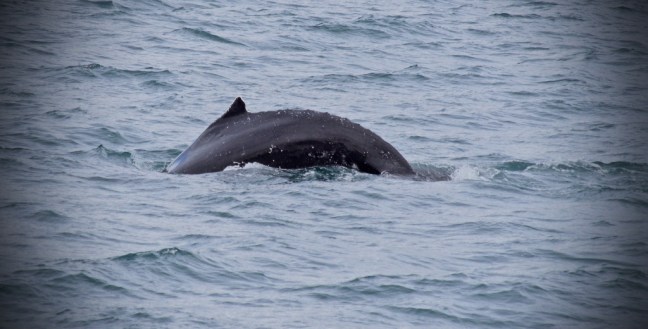
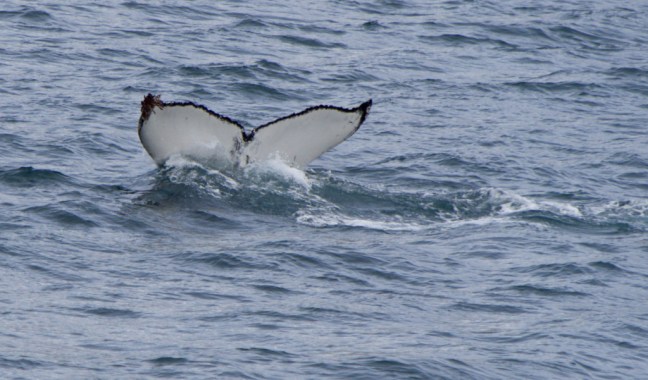
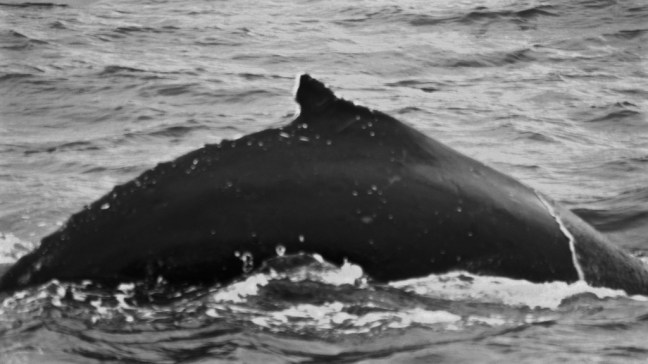
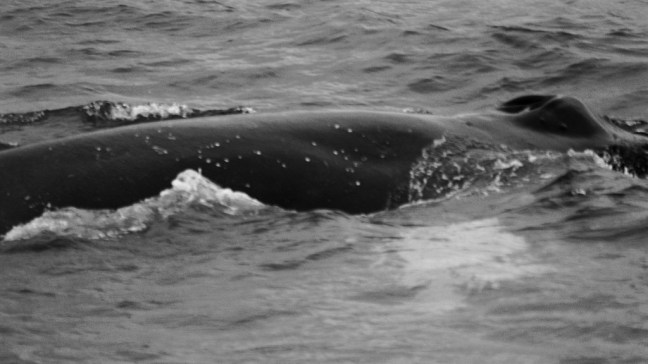
 We were then fortunate to have good sightings of the two humpback whales and their flukes (the two tail lobes that go up as they dive).




 We descended to look at the church. On both the ascent and descent there were fine views towards our ship.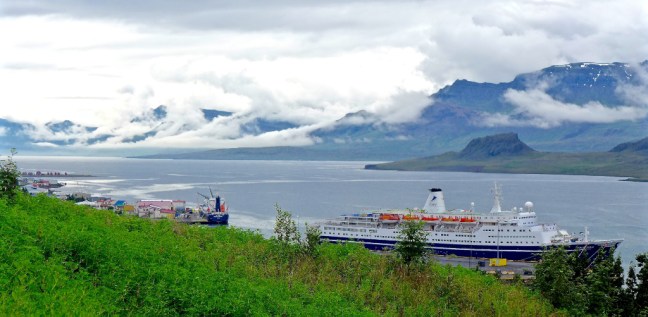
 There was a lot of light in the church and a fine painting of the fjord.
 Leaving the church and community centre, we visited the cemetery further up the valley. There were some interesting gravestones.


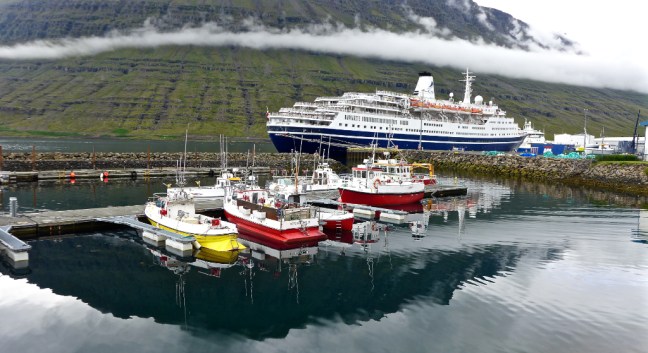 It had been a relaxing morning walk.
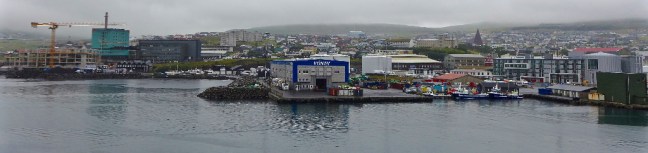 Torshavn has a population of 13,089 (2017) and the greater urban area 21,000. It has over a third of the Faroes population. It named after the Norse God Thor, the God of Thunder.
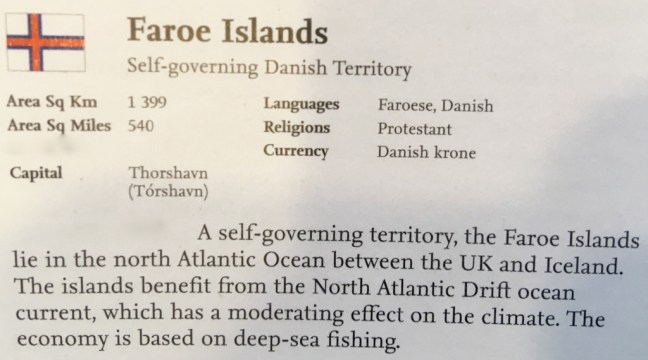 We only had until 2.30pm on the island and so the opportunity to walk was minimal. Even more so as we were booked on a coastal villages tour to the village of Saksun.
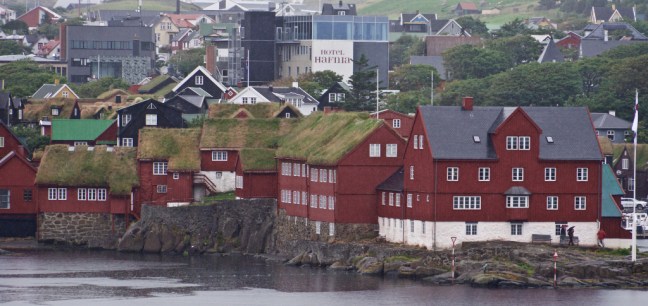 There was also the car ferry MS Smyril in dock, the largest ship in the Faroes transport company fleet at 12,650 tons and which can carry 200 cars.
  Our tour coach climbed rapidly and inevitably conversations turned to the controversial killing of whales in the Faroes. Figures of 60 and 160 were mentioned of whales killed recently, apparently for ‘free meat’. Not everyone was convinced that this was justified. It seems a bit different in Greenland where the Inuit had (and still have in some places) little alternative but to hunt for whales to survive as there is little else to live off.
 We stopped briefly at a viewpoint over a sea inlet, with a first sighting of green grass roofs!
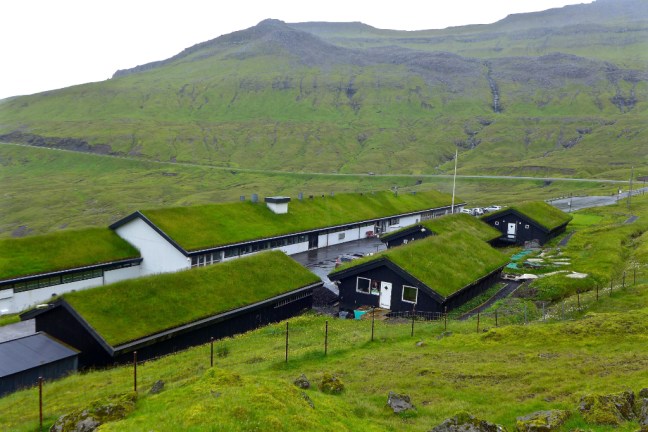 We also went to the village of Kollafjorour, which lies along a broad fjord and is home to many salmon farms. The old Lutheran Church was built in 1837 and was constructed with black-tarred wooden sides and a turf roof and white bell tower. Like most churches in these northern areas a ship hangs from the roof inside.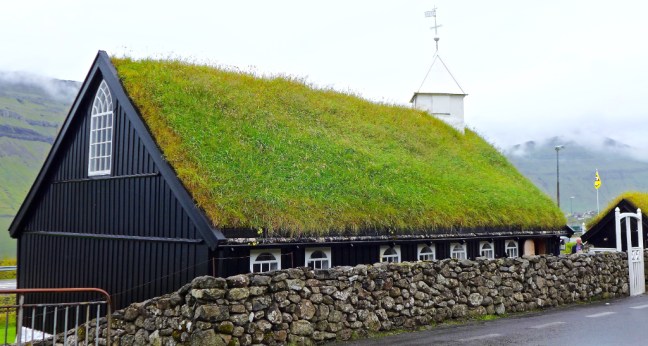


 After a journey of 48 kilometres (30 miles) from Torshavn we arrived at Saksun one of the most idyllic villages in the Faroes, with a well preserved folk museum.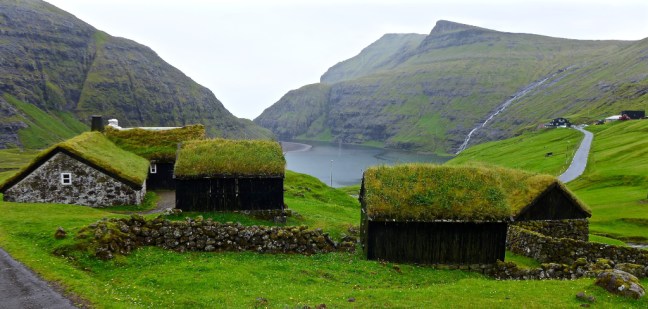


 The old turf-roofed farm house of Duvugarder is now a museum. It is a well preserved Faroese farmhouse of any period from medieval times to the end of the 19th century. There are many domestic items on display.


 We arrived back at our ship for a late lunch.


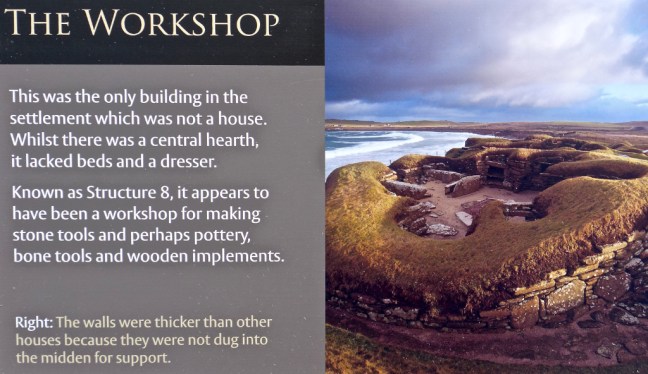
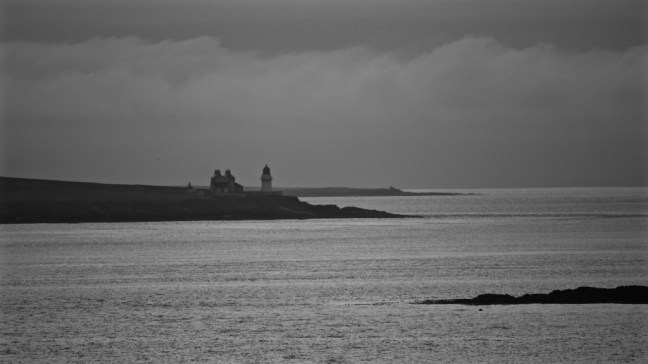 We were booked on an excursion in the morning to the Ring of Brodgar and Skara Brae. A short walk from the coach brought us to the Ring of Brodgar, which is an impressive stone circle constructed some 4,500 years ago. 27 of the original 60 stones remain.




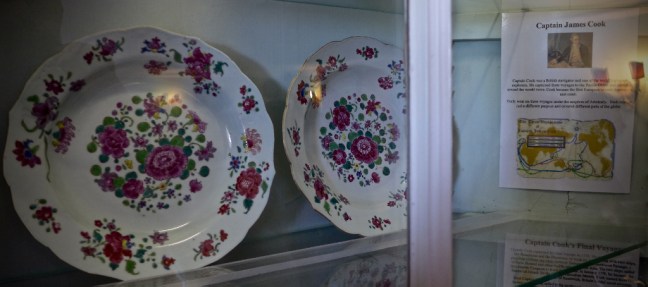
 I then headed to Skaill House where some of Captain James Cook’s crockery is kept.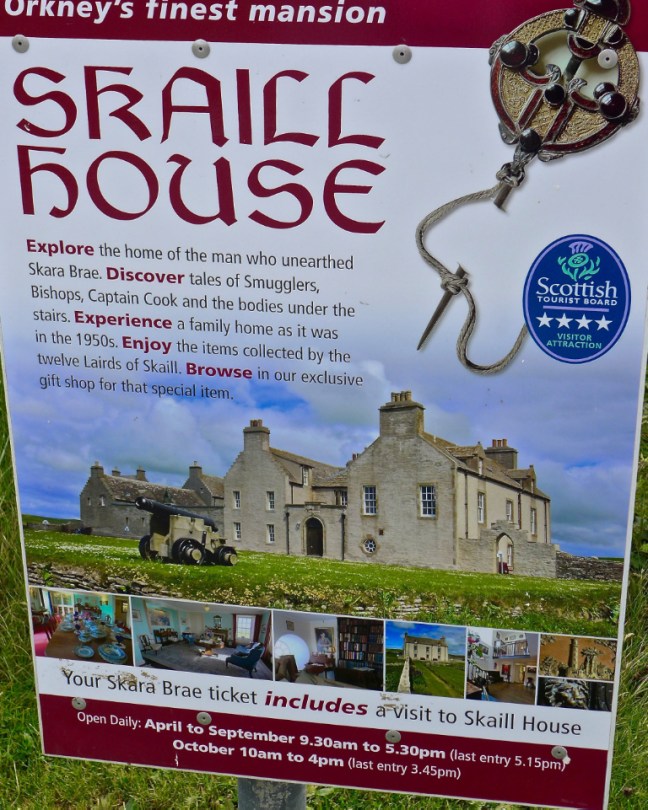

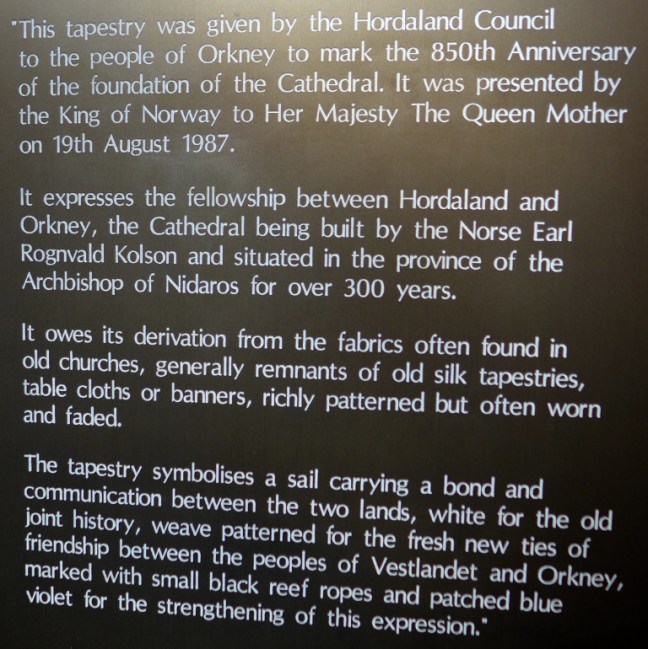
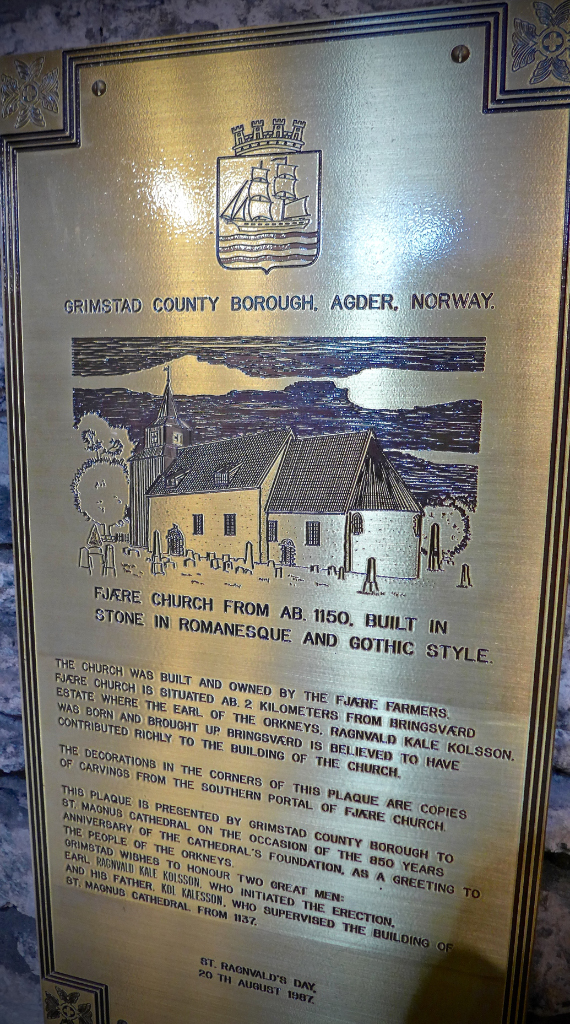
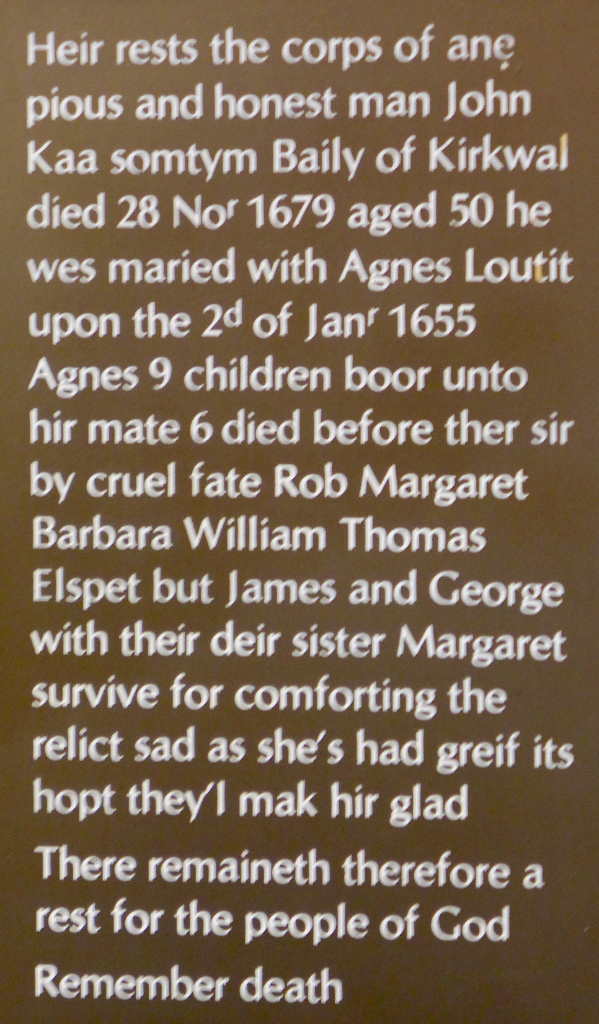
 After lunch on the ship I walked around Kirkwall in the area of St Magnus Church.






 Finally, there was a sunset viewable from the ship. A fitting end to a fascinating day.
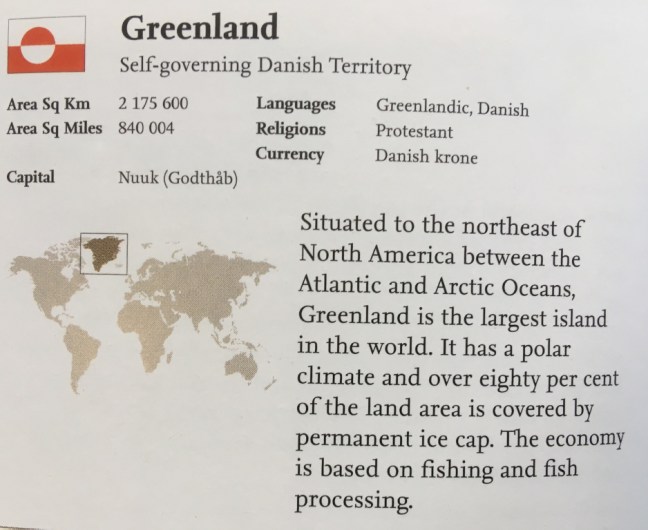
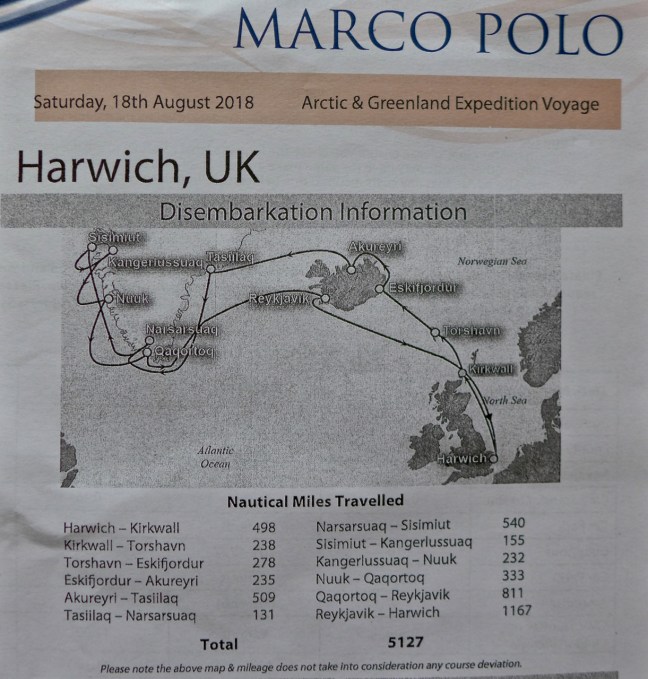 For those who know little about Greenland, it is the largest island in the World ( although larger Australia and Antartica are continents). Over 80% of Greenland is covered in permanent icecap (see bottom right below). Iceland, which we would also go to, is the smaller island bottom right.
 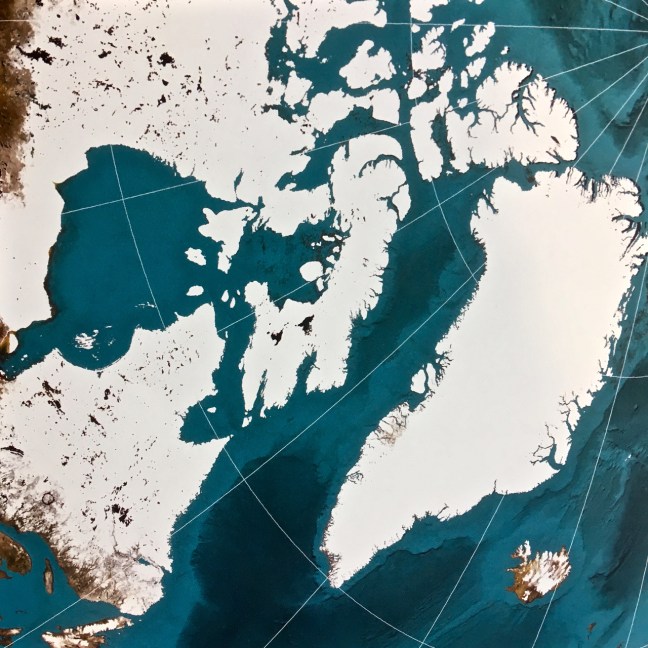 North Greenland is not that far from the North Pole! We went to South Greenland. We also went so far West we had to alter our watches and cameras three times going there and three times coming back.
  Our ship Marco Polo, shown below in Akureyri, Iceland, was quite small and over 50 years old. With 800 passengers it is the one behind the MSC Meriviglia, the latter which has about 4500 passengers and shouldn’t be allowed in small ports. The passengers swamp small communities and I even met a passenger from the MSC ship who said it was just too big. They are not of a human scale.
 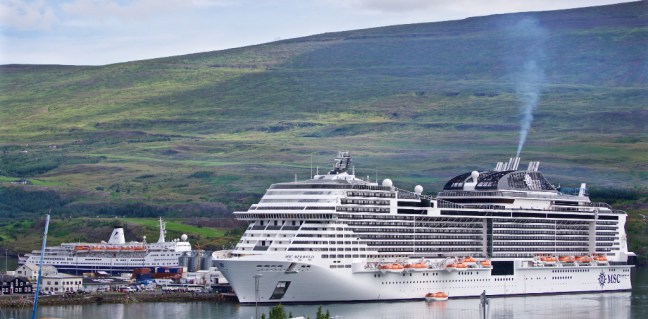 Marco Polo was built in East Germany for the Russians to a military specification and fortunately it is ice strengthened. It still has the original engines of over 50 years! It entered service in 1966 when England won the World Cup! It is quite iconic with sleek lines and the feel of being a real ship, not like the modern giant cruise ships which look like blocks of flats and seem top heavy.
 Our cabin 227 was on the Baltic Deck which was to prove excellent for seeing icebergs.
 An excellent book on the history of the Marco Polo is available for £7.99 from Cruise and Maritime (normal rrp £15.99).
  Greenland, with only an estimated population of 55,877 (1 January 2018), has many unusual attractions not least huge icebergs, glaciers, whales, dolphins, porpoises, seals, walrus, sea eagles, muskox, reindeer and even polar bears.
 It was such attractions and a 2 for 1 deal from Cruise and Maritime that led us to book this trip over a year ago. Greenland is not the easiest place to travel around with only 62 miles of roads in its capital Nuuk, few airports, the largest one being somewhat isolated in Kangerlussaq. There are no roads between towns and villages. Getting around is generally on a sledge with a few huskies to tow you along or by boat. Travelling by ship seemed the best way to visit it.
  Greenland’s capital Nuuk only has a population of only 17,316 (1 January 2016)
 I hoped to find some walks when we docked in ports and indeed did find some. However, there are mosquitoes and black flies (that can give ulcers and cysts from bites) and so some protection is advised as with my head net below. One passenger was hospitalised on a previous trip due to black fly bites.
 So you are welcome to join me on this memorable journey, through my blogs (on Facebook or Word Press) which I will write over the next few weeks………..
 secretwalkscom